Repointing vs. Tuckpointing: What Philadelphia Homeowners Should Know
Repointing is the repair process of removing old, failing mortar and packing the joints with fresh mortar to restore a brick wall. Tuckpointing is a specific decorative technique that uses two contrasting mortar colors to create the illusion of very thin, crisp joints. In everyday Philadelphia conversation the two words get used interchangeably, but they’re not the same thing. If your mortar is crumbling and you want the wall protected, what you almost certainly need is repointing.
Repointing: The Repair Most Philly Homes Need
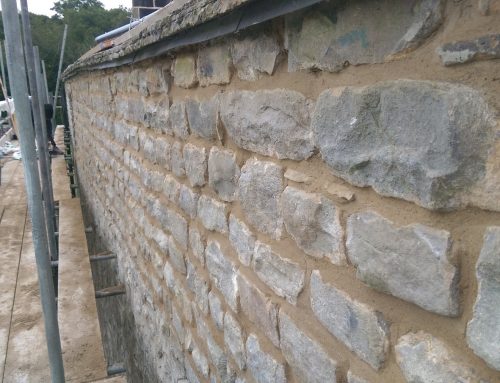
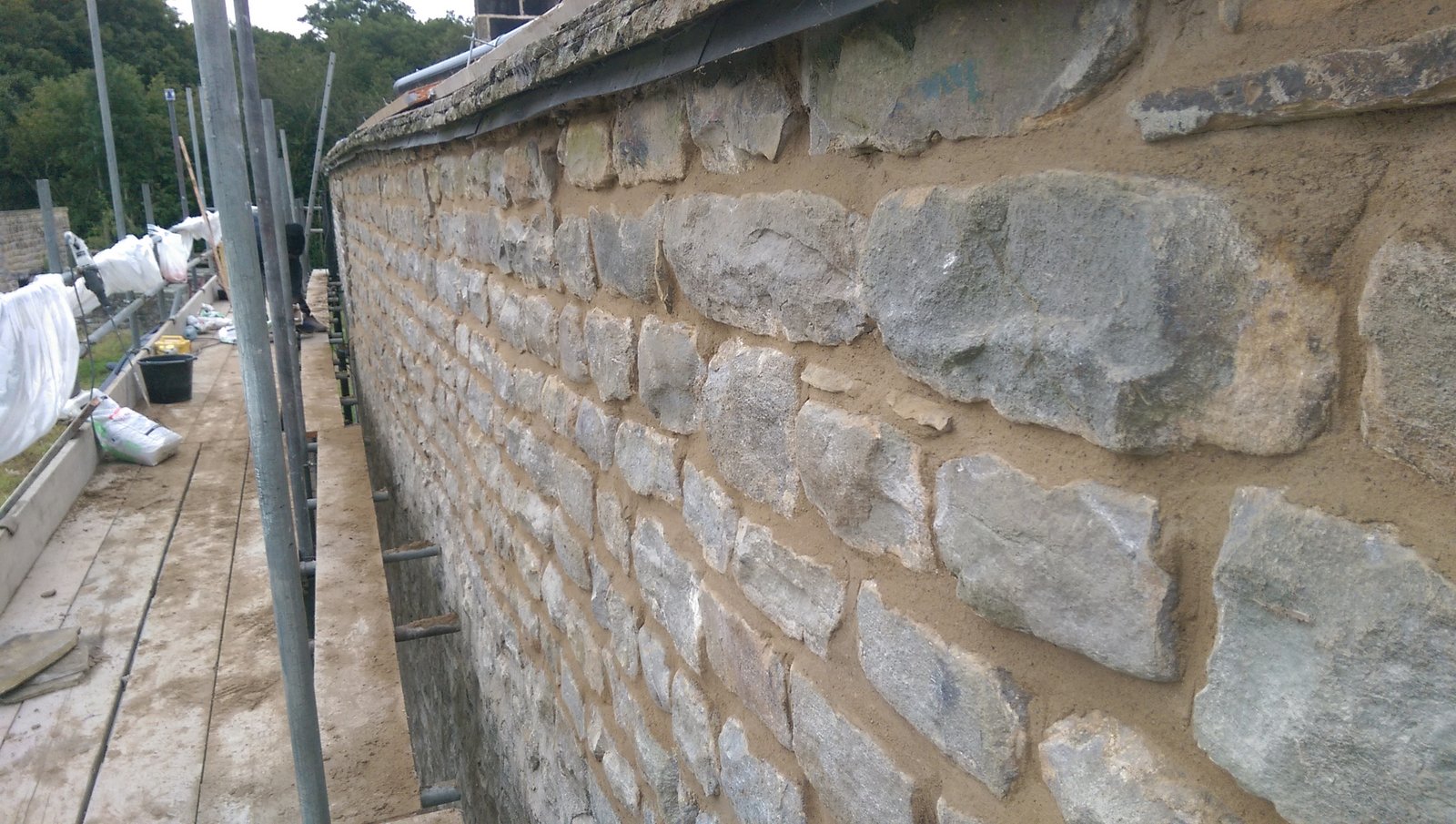
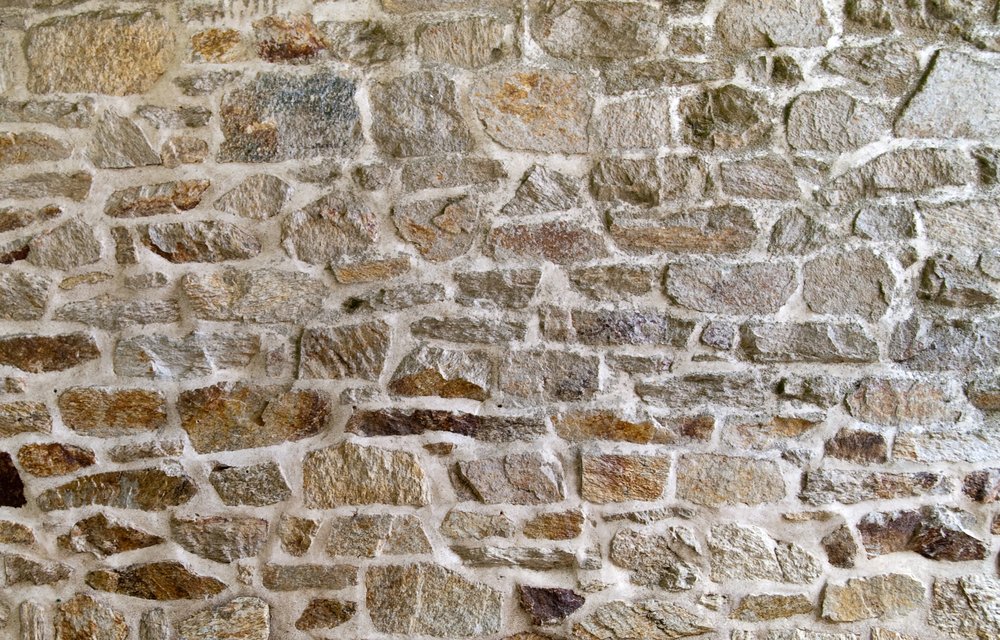
Repointing is structural maintenance. Over decades, mortar joints erode from rain, freeze-thaw cycles, and age until they recess, crack, or fall out. A mason grinds or rakes out the failed mortar to a sound depth, then refills the joints with a properly matched mix and tools them to shed water. For the row houses and twins across Center City and Delaware County, this is the work that keeps water out and the wall standing. Full details are on our repointing page.
When You Need Repointing
- Mortar joints are recessed, powdery, or you can scrape them out with a key
- You see gaps, cracks, or missing chunks of mortar
- Brick faces are starting to pop or flake (a sign water is already getting in)
- There’s efflorescence (white chalky staining) or damp on interior walls
Tuckpointing: A Finish, Not a Fix
True tuckpointing is an old-world aesthetic technique. The mason fills the joint with mortar tinted to match the brick, then scores a thin groove and presses in a contrasting fillet (often white lime putty) to mimic a fine, precise joint. It was popular when homeowners wanted the look of expensive, perfectly uniform brickwork without the cost. You’ll still see original tuckpointing on some historic Society Hill and Old City facades. It’s beautiful, but it’s about appearance, not primarily about waterproofing.
Why Philadelphians Mix Up the Two Terms
Plenty of contractors advertise “tuckpointing” when they mean repointing, simply because it’s the word customers search for. There’s no harm in that as long as the actual work done is sound mortar repair. The thing to watch is that you’re paying for proper joint preparation and the right mortar mix, not just a cosmetic skim coat over failing joints. A surface smear hides the problem for a season and then peels.
Questions Worth Asking Your Mason
- Are you raking the old mortar out to a sound depth, or just troweling over it?
- What mortar mix are you using, and does it match my brick’s hardness?
- Will the new joints be tooled to shed water?
- Do any brick faces need replacing first?
That last point matters in older neighborhoods like Fitler Square and Graduate Hospital, where soft historic brick can spall. If faces are crumbling, you’re into brickwork repair alongside the pointing.
Which One Is Right for Your Home
For nearly every Philadelphia homeowner dealing with weather, age, and water, the answer is repointing done correctly with mortar matched to the building. Tuckpointing as a decorative finish is a worthwhile choice if you’re restoring a historic facade and want the original detailed look, often in a district with preservation guidelines. We handle both, and on a free on-site visit we’ll tell you plainly which one your wall actually calls for. Every job starts with that free estimate. See past work on our gallery or learn more about our family.
Frequently Asked Questions
Is tuckpointing the same as repointing?
No. Repointing is the repair that replaces failing mortar to protect the wall. Tuckpointing is a decorative two-color technique that mimics fine joints. Most homeowners who say tuckpointing actually need repointing.
Which do I need if my mortar is crumbling?
Repointing. Crumbling or recessed mortar is a structural water-entry problem, and repointing with properly matched mortar is the fix.
Why do contractors call repointing tuckpointing?
Because customers often search for tuckpointing. The label matters less than whether the joints are raked out properly and refilled with the right mortar, rather than smeared over.
Do you do both in Philadelphia?
Yes. Natalini & Son Masonry handles both structural repointing and traditional decorative tuckpointing across Center City and Delaware County, and we’ll tell you which your wall needs during a free on-site estimate.
Get a free masonry estimate in Philadelphia
Natalini & Son Masonry has been family-owned and operated since 1974 — 50+ years and 6,000+ projects across Center City and Greater Philadelphia. Every job starts with a free, no-pressure on-site estimate.