How Often Should Brick Be Repointed in Philadelphia’s Climate?
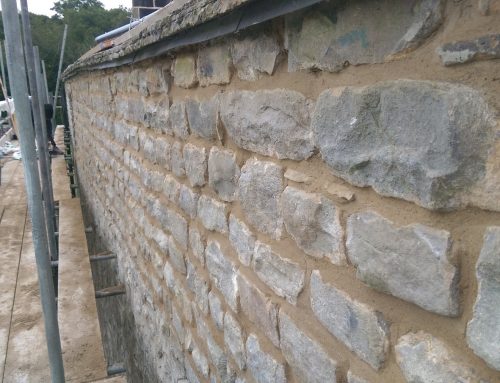
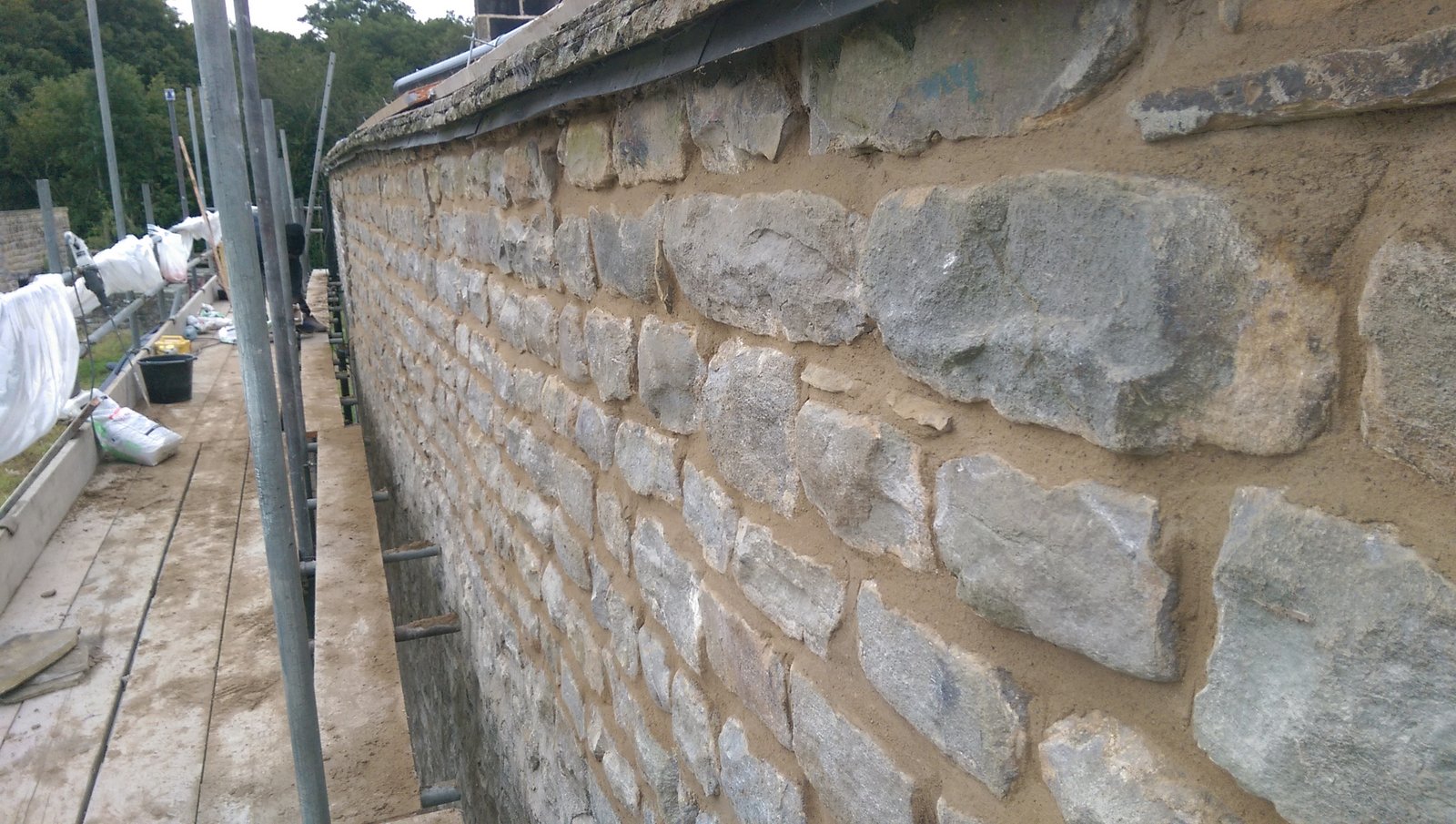
In Philadelphia’s climate, brick mortar joints generally need repointing every 25 to 50 years, though weather-facing walls, chimneys, and parapets often need it sooner, sometimes within 15 to 20 years. Mortar is designed to wear out before the brick does, so periodic repointing is normal maintenance, not a sign something went wrong. The exact timeline depends on the original mortar, how exposed the wall is, and how well water has been kept off it over the years.
Why Mortar Wears Out on a Schedule
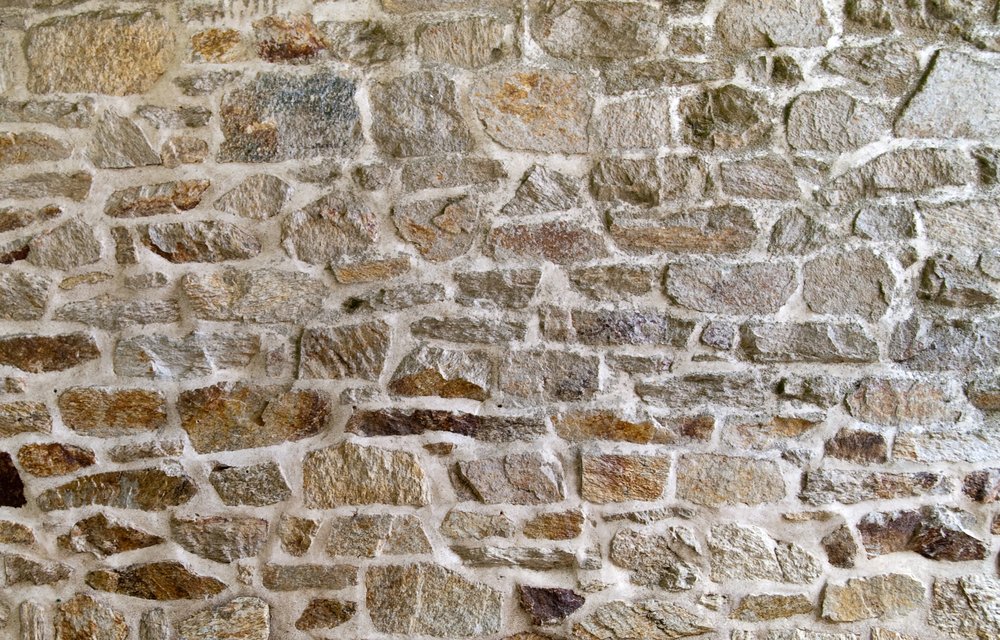
Mortar is intentionally softer than brick. It’s meant to absorb movement and weathering so the more expensive brick survives. That means joints erode over time, and repointing simply replaces that sacrificial layer. In Greater Philadelphia, the main driver is the freeze-thaw cycle: water soaks into a joint, freezes overnight, expands, and pries it apart a little more each winter. Over decades, this is what sets the repointing clock. See how we approach it on our repointing page.
What Affects the Timeline on Your Home
- Wall exposure. South- and west-facing walls and anything that catches driving rain wear faster. Sheltered party walls last longer.
- Original mortar type. Soft lime mortar on pre-1920 homes weathers differently than modern cement mortar and needs matching, not replacing with something harder.
- Height and roofline. Chimneys, parapets, and top-story brick take the most weather and usually need repointing first.
- Past water management. Failed gutters, missing flashing, or a leaking cap above accelerate joint failure dramatically.
- Quality of the last repointing. A poor job with the wrong mortar can fail in under a decade.
Repointing Lifespan by Building Age in Philadelphia
- Historic homes (pre-1920) in Society Hill, Old City, Queen Village: originally soft lime mortar. When properly repointed with a matched lime mix, joints can last 50+ years. With the wrong hard mortar, they fail fast and damage the brick.
- Early-to-mid 20th century rowhomes and twins: often on a 25-40 year cycle depending on exposure.
- Chimneys and parapets on any home: frequently every 15-25 years because they’re hammered by weather on all sides. See our chimney services.
How to Know Yours Is Due Now
Age is a guideline, not a rule. The wall itself tells you. Check for mortar you can scrape out with a key, recessed or missing joints, white efflorescence staining, and any spalling brick faces. If you spot those, the joints have failed regardless of the calendar. Damp showing up on interior walls is another reliable cue that water is already getting through.
Stretching the Time Between Repointing Jobs
- Keep gutters and downspouts clear so water isn’t dumping onto the brick.
- Maintain flashing and your chimney cap so water doesn’t run down the wall.
- Address small areas of failed mortar before they spread.
- Make sure any repointing uses mortar matched to your brick’s hardness. The wrong mix is the fastest way to shorten the next interval and harm the brick.
Since 1974 we’ve repointed homes across Center City, the Main Line, and Delaware County, so we can usually estimate where your home sits in its cycle on a quick visit. Every job starts with a free on-site estimate. See examples on our gallery.
Frequently Asked Questions
How often does brick need repointing in Philadelphia?
Typically every 25-50 years for most walls, but exposed elevations, chimneys, and parapets often need it within 15-25 years because they take the most weather.
Why does Philadelphia weather wear out mortar faster?
The freeze-thaw cycle. Water soaks into joints, freezes and expands overnight, then thaws, prying the mortar apart a little more each winter until the joint fails.
Do older historic homes need repointing more often?
Not necessarily, if done right. Pre-1920 homes built with soft lime mortar can hold up 50+ years when repointed with a properly matched lime mix. Using hard cement mortar makes them fail faster and damages the brick.
How do I know if my brick is due for repointing now?
Check the joints. Mortar that scrapes out with a key, recessed or missing joints, white efflorescence, or flaking brick faces all mean the mortar has failed regardless of its age.
Get a free masonry estimate in Philadelphia
Natalini & Son Masonry has been family-owned and operated since 1974 — 50+ years and 6,000+ projects across Center City and Greater Philadelphia. Every job starts with a free, no-pressure on-site estimate.