Why Mortar Matters: Choosing the Right Mix for Historic Philly Brick
The most important rule for repointing historic Philadelphia brick is that the mortar must be softer than the brick. Most homes built before roughly 1920 in neighborhoods like Society Hill, Old City, and Queen Village were laid with soft lime mortar. Repointing them with hard modern Portland cement mortar is one of the most common and most damaging mistakes in masonry, because the rigid cement traps moisture and forces the softer historic brick to crack and spall instead. Matching the mortar to the brick is what protects the wall for decades.
Why Mortar Must Be Softer Than the Brick
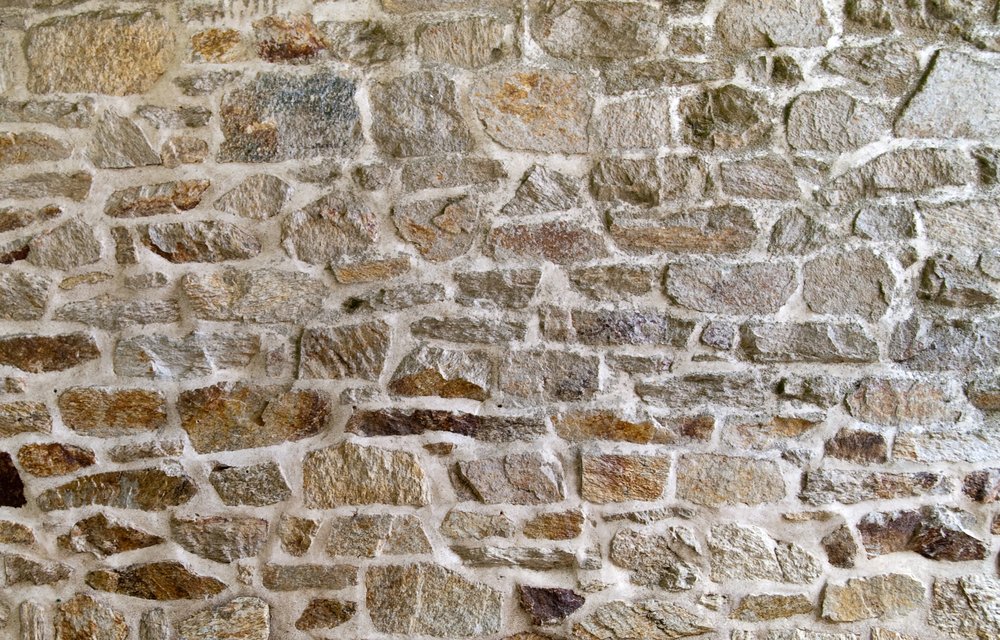
A masonry wall constantly moves a little with temperature, moisture, and settlement, and it has to release water that gets inside. Mortar is the sacrificial part of that system. When it’s softer than the brick, the joints absorb the stress and let moisture escape through them. When it’s harder, all that stress and trapped water transfers to the brick faces, which then flake, pop, and crumble. On soft historic Philadelphia brick, hard cement mortar can destroy the very thing it was supposed to protect. This is the core of how we approach repointing.
Lime Mortar vs. Portland Cement
- Soft lime mortar: flexible, breathable, and self-healing in small cracks. Correct for most pre-1920 brick. It lets the wall manage moisture the way it was designed to.
- Portland cement mortar: hard, rigid, and largely impermeable. Appropriate for many modern, harder bricks but damaging to soft historic units.
- The wrong pairing: hard mortar on soft brick forces moisture and stress into the brick faces, causing spalling and accelerating brickwork damage.
How a Mason Matches Mortar in Philadelphia
- Assess the brick. Age, hardness, and absorption tell us whether the wall wants a lime-based or cement-based mix.
- Read the existing mortar. Color, sand, and composition of the original joints guide the new mix so it behaves the same way.
- Match strength, then color and texture. Performance comes first, but on historic facades in places like Fitler Square and Washington Square West, color and joint profile matter for the look too.
- Tool the joint to shed water. The right finish keeps rain out and matches the original profile.
Why the Right Mortar Saves Money Long-Term
Using a matched lime mortar costs a bit more upfront than grabbing a bag of standard cement mix, but it’s the difference between joints that last decades and a wall that starts shedding brick faces within a few years. Once historic brick spalls, you’re paying to replace brick, not just repoint joints, and original matching brick can be hard to source. Doing it right the first time is the cheaper path. Historic districts and preservation guidelines in Center City often require it anyway.
Questions to Ask Before Anyone Repoints Historic Brick
- Will you match the mortar’s hardness to my brick, not just its color?
- Is my home old enough to need a lime-based mix?
- How will you match the original joint color and profile?
- Are any spalled brick faces that need replacing first?
This is exactly the kind of judgment that separates a craftsman from a crew with a mixer. As a third-generation family business that has worked on Philadelphia’s historic brick since 1974, getting the mortar right is something we take seriously on every job. Every project starts with a free on-site estimate, and we’ll explain what your specific brick needs. See examples on our gallery or read more about our family.
Frequently Asked Questions
What mortar should be used on historic Philadelphia brick?
Soft lime-based mortar for most homes built before about 1920. The mortar must be softer than the brick so the joints, not the brick faces, absorb stress and release moisture.
Why is Portland cement bad for old brick?
It’s hard, rigid, and traps moisture. On soft historic brick, that forces water and stress into the brick faces, causing them to spall and crumble, often ruining brick that the cement was supposed to protect.
How do you match mortar to my brick?
We assess the brick’s age, hardness, and absorption, study the original mortar’s makeup, then match strength first, followed by color, sand, and joint profile so the new work behaves and looks like the original.
Is lime mortar worth the extra cost?
Yes. The right matched mortar lasts decades and protects the brick, while the wrong hard mix can cause spalling within a few years and force expensive brick replacement.
Get a free masonry estimate in Philadelphia
Natalini & Son Masonry has been family-owned and operated since 1974 — 50+ years and 6,000+ projects across Center City and Greater Philadelphia. Every job starts with a free, no-pressure on-site estimate.