Foundation Repointing: Protecting Your Philadelphia Basement
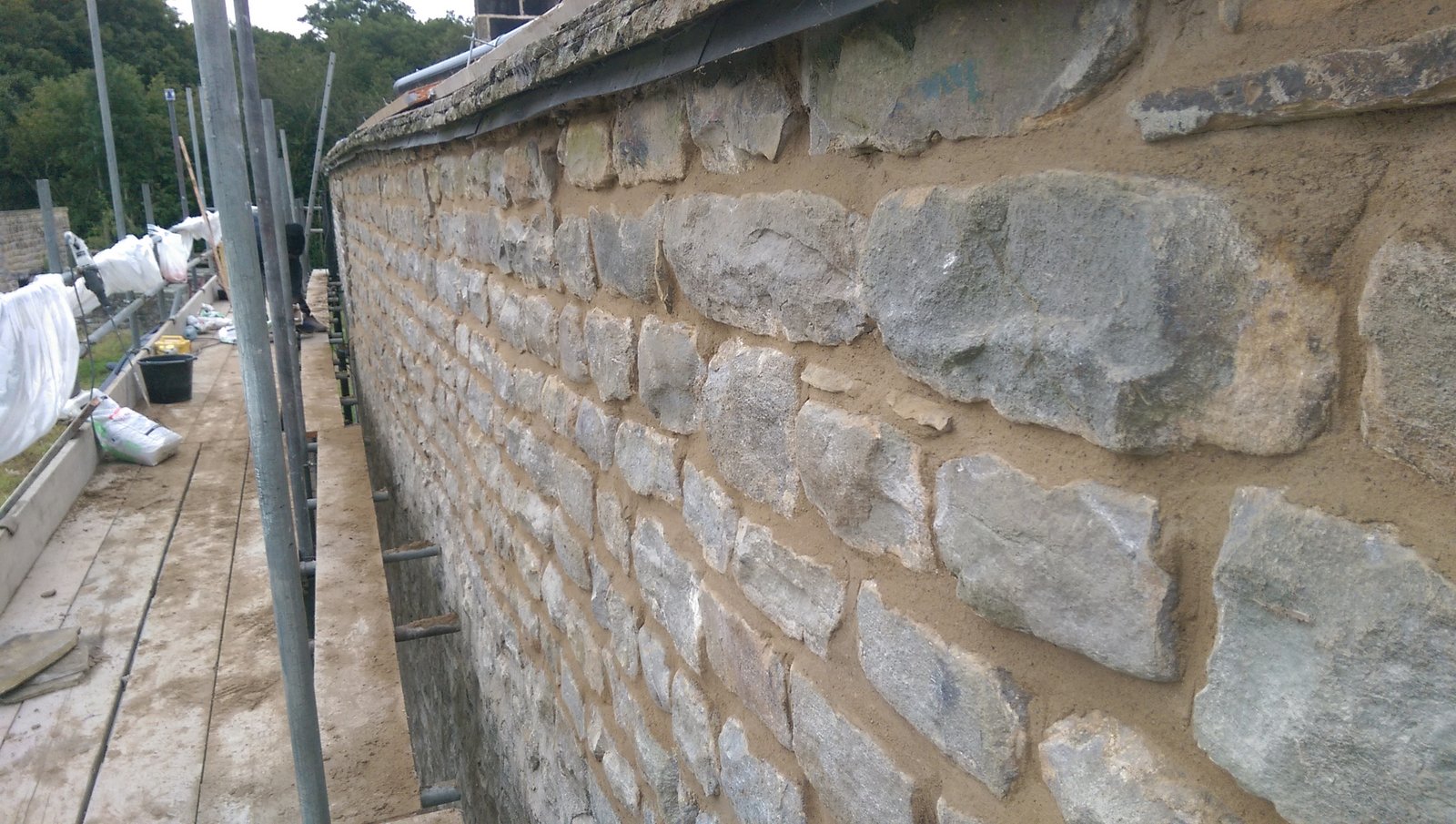
Foundation repointing is the process of grinding out failed mortar joints in a masonry or stone foundation and replacing them with sound, properly matched mortar. In Philadelphia, where many homes sit on stone or brick foundations a century or more old, repointing the foundation is one of the most effective ways to keep your basement dry and your structure stable. When foundation joints erode, water seeps in, the wall loses bearing strength, and over time you risk bowing, settlement, and serious structural problems. Catching it early is far cheaper than rebuilding.
Signs your Philadelphia foundation needs repointing
Foundations fail quietly, usually behind a finished basement wall or in a dark corner. Watch for these signs:
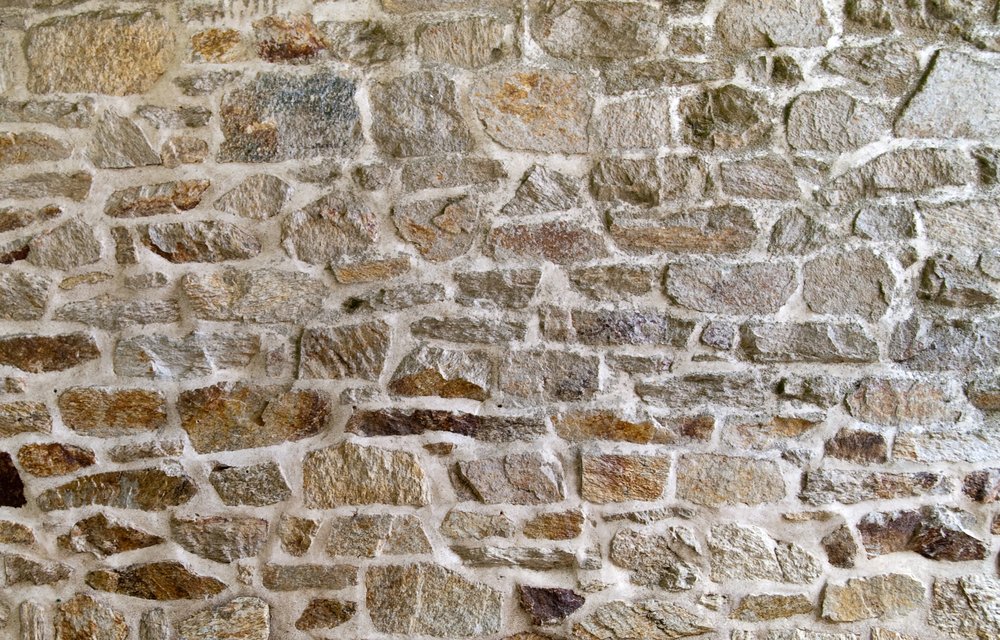
- Crumbling, sandy, or missing mortar between foundation stones or bricks
- Mortar you can scrape out with a screwdriver or that falls out as dust
- Water seepage, damp spots, or white efflorescence on basement walls
- Gaps, cracks, or daylight visible through the foundation wall
- A musty smell, recurring moisture, or pooling after heavy rain
- Loose or shifted stones, or bulging sections of wall
Philadelphia’s clay soils and freeze-thaw winters are hard on foundations. Water gets into open joints, freezes, expands, and pries the wall apart a little more each year. The longer it goes, the more the mortar washes out and the more load shifts onto fewer points of contact.
Why foundation joints matter more than you think
In a stone or brick foundation, the mortar does two jobs: it carries load and it keeps water out. As joints erode, both jobs fail at once. Bearing capacity drops, so the wall can begin to settle or bow, and the open joints become highways for groundwater. A basement that floods every spring is very often a foundation with washed-out joints, not just a drainage problem. Repointing restores the joint, re-establishes the load path, and closes off the water’s entry route.
How foundation repointing is done
- Assessment. We inspect the full foundation, inside and out where accessible, and identify failed joints, moving stones, and any structural concerns.
- Joint preparation. Loose and crumbling mortar is carefully raked and ground out to a sound depth without disturbing the stones.
- Matched mortar. We pack in mortar matched to the original in strength and composition. On older Philadelphia foundations that usually means a lime-rich mix that stays softer than the stone or brick.
- Tooling and cure. Joints are tooled for a tight, water-shedding profile and allowed to cure properly.
This is precision work. Our repointing crews handle stone and brick foundations across Philadelphia and Delaware County, and we coordinate with brick and stone replacement when individual units are too far gone to save. If exterior grading or a slab is funneling water toward the wall, our concrete work can correct the drainage at the same time.
What foundation repointing costs
Cost depends on the length and height of wall, how deep the joints have eroded, access (a tight crawlspace costs more than an open basement), and whether stones need to be reset or replaced. Small sections of spot repointing are modest; a full perimeter on a large stone foundation is a bigger investment, but still a fraction of what underpinning or rebuilding a failed wall costs. We never quote without seeing it. Every job starts with a free on-site estimate.
How foundation repointing protects the whole house
A foundation is the one part of the house that everything else rests on, so problems there don’t stay in the basement. A dry, sound foundation protects far more than the basement floor:
- Indoor air quality. A chronically damp foundation breeds mold and mildew that travels upstairs through the air.
- Finished space. Repointing before you finish a basement protects drywall, flooring, and framing from water damage down the line.
- Pest control. Open joints and gaps are entry points for insects and rodents. Tight joints close them off.
- Resale value. A documented, sound foundation removes one of the biggest red flags buyers and inspectors look for in older Philadelphia homes.
Foundation problems also tend to compound. A little water this winter washes out a little more mortar, which lets in more water next winter. Breaking that cycle early, while it’s still a repointing job, is the whole game.
Interior vs. exterior foundation work
Some foundation joints are best repointed from inside the basement, others from outside where grading and drainage can be corrected at the same time. We assess both faces of the wall where access allows and recommend the approach that actually solves the water problem rather than just hiding it behind a coat of waterproof paint.
Frequently Asked Questions
How do I know if my foundation needs repointing?
Look for crumbling or missing mortar between stones or bricks, mortar that scrapes out as dust, water seepage, white efflorescence, gaps you can see through, or a persistently damp basement. Any of these means the joints are failing and should be assessed.
Will foundation repointing stop my basement from leaking?
In many cases, yes. Washed-out foundation joints are a leading cause of basement water in Philadelphia homes. Repointing closes those joints. If grading or drainage is also funneling water at the wall, that should be corrected too.
Is foundation repointing a structural repair?
It can be. In stone and brick foundations the mortar carries load. Restoring failed joints re-establishes the load path and prevents settlement and bowing. Severely compromised walls may need stone resetting as well, which we assess on-site.
How long does foundation repointing take?
A small spot repair can be a day or two; a full perimeter on a large stone foundation takes longer. Timing depends on the length of wall, joint condition, and access. We give a realistic schedule with your free estimate.
Get a free masonry estimate in Philadelphia
Natalini & Son Masonry has been family-owned and operated since 1974 — 50+ years and 6,000+ projects across Center City and Greater Philadelphia. Every job starts with a free, no-pressure on-site estimate.