Concrete vs. Asphalt Driveways for Philadelphia Homes
For most Philadelphia homes, a concrete driveway lasts longer and needs less maintenance than asphalt, while asphalt costs less up front and handles freeze-thaw cracking a little more forgivingly. A well-installed concrete driveway can last 30 years or more; asphalt typically lasts 15 to 20 with regular sealing. The right choice comes down to your budget, how long you plan to stay, the look you want, and how much maintenance you’re willing to do. Here’s how the two compare in real Philadelphia conditions.
Concrete vs. asphalt: the quick comparison
- Upfront cost: Asphalt is generally cheaper to install. Concrete costs more initially but lasts longer.
- Lifespan: Concrete commonly 30+ years; asphalt 15 to 20 years.
- Maintenance: Asphalt needs resealing every few years. Concrete needs far less, though sealing helps in our climate.
- Appearance: Concrete offers color, stamping, and finishes; asphalt is black and uniform.
- Winter: Asphalt absorbs heat and sheds snow faster; concrete can be more sensitive to deicing salt.
- Repairs: Asphalt is easy to patch but patches show; concrete repairs are less frequent but more involved.
How Philadelphia weather affects each
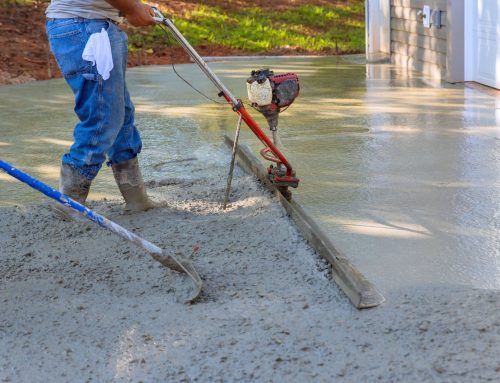
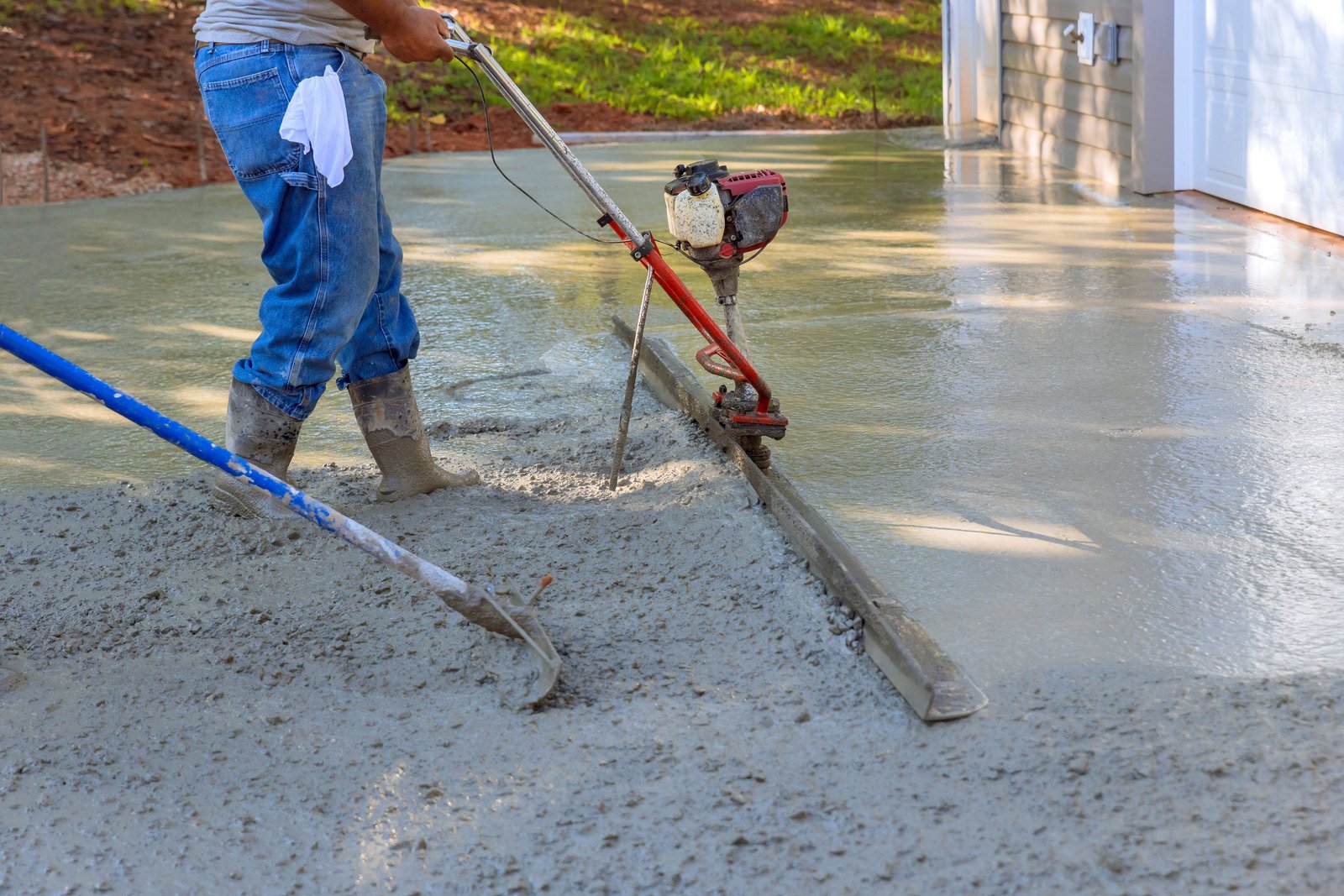
Our freeze-thaw cycles are the real test. Water gets into any driveway, freezes, expands, and works on the surface all winter. Asphalt is flexible, so it tends to develop cracks and potholes that are easy to patch but come back. Concrete is rigid, so when it’s installed right, with proper sub-base, thickness, control joints, and reinforcement, it resists cracking for decades. When concrete is installed poorly, it cracks and there’s no easy patch, which is exactly why installation quality matters more than the material you pick.
The salt factor
Rock salt and deicers are tough on concrete, especially in the first winter before it’s fully cured. We recommend sealing a new concrete driveway and using calcium-magnesium deicers instead of rock salt. Asphalt shrugs off salt but is more prone to softening and rutting in summer heat. Neither material is maintenance-free in Philadelphia; they just need different care.
Which should you choose?
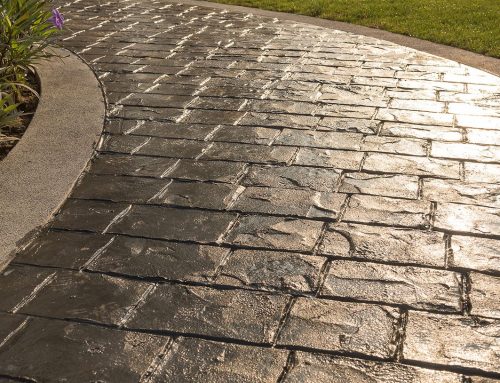
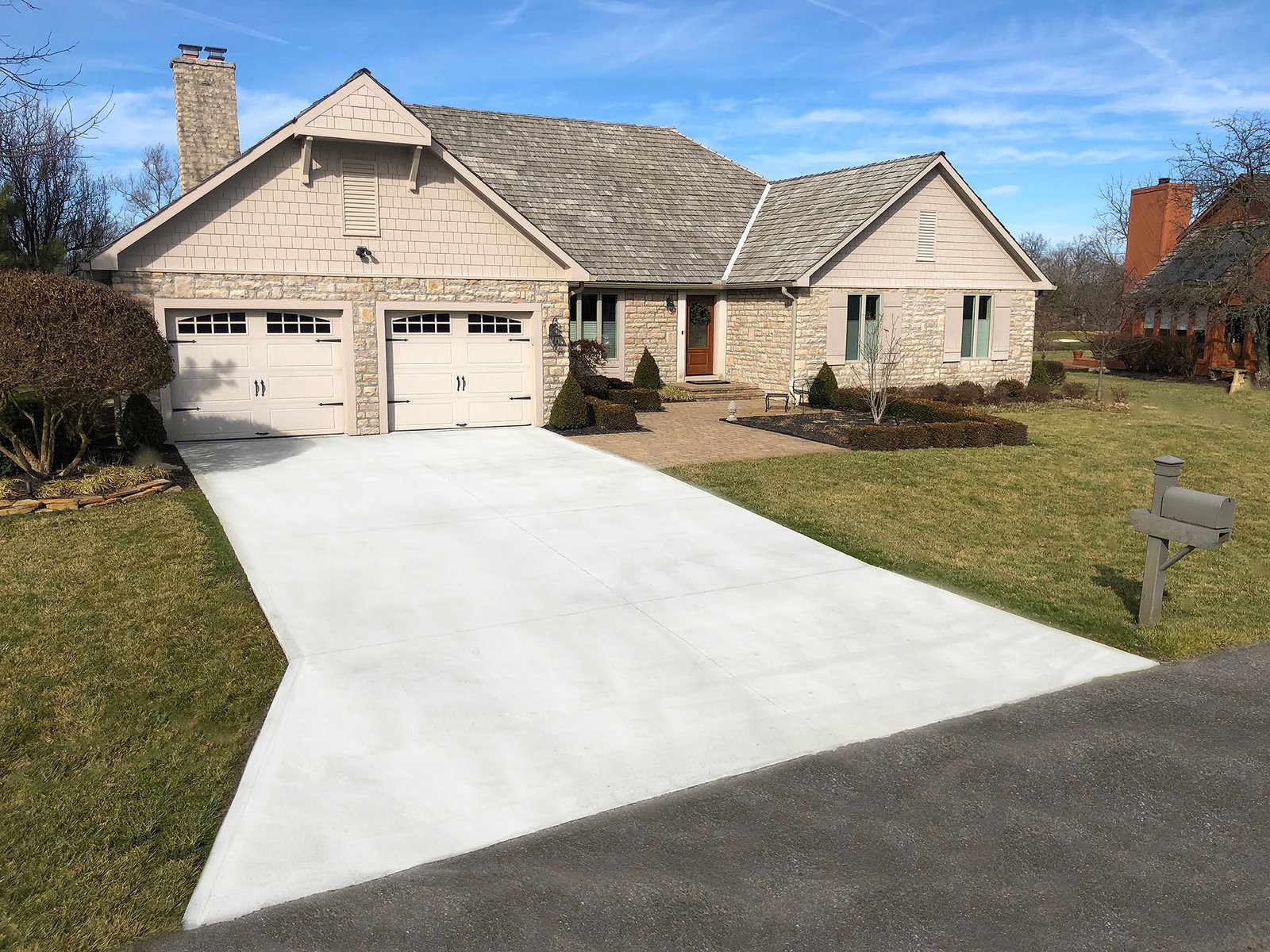
Choose concrete if you want the longest life, the lowest long-term maintenance, and design options like color or a stamped finish. It’s the better value if you’re staying in the home a long time. Our concrete driveway crews handle proper sub-base prep, thickness, and jointing so the slab lasts, and our stamped concrete can give you the look of pavers or stone at a lower cost than the real thing.
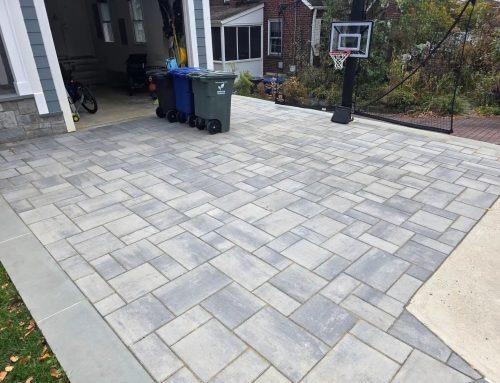
Choose asphalt if upfront budget is the priority, you want the job done fast, or you don’t mind resealing every few years. Many Philadelphia homeowners also pair a concrete or paver apron and walkway with the main drive, which our walkway crews can tie together for a clean, durable entrance.
What it costs
Driveway pricing depends on square footage, the condition of the existing base, thickness and reinforcement, drainage, and finish. Asphalt usually comes in lower per square foot; concrete costs more but spreads that cost over a much longer life. Stamped or colored concrete sits at the top of the range. We don’t quote sight-unseen, because the sub-base and drainage drive the number. Every job starts with a free on-site estimate, and you can see finished driveways in our gallery.
Installation quality matters more than the material
We’ll say it plainly: a well-installed asphalt driveway outlasts a poorly installed concrete one every time. The material is only as good as what’s underneath and how it’s finished. The things that actually determine how long your driveway lasts are:
- Sub-base preparation. A compacted, properly graded stone base is the foundation of any driveway. Skip it and the surface cracks no matter what it’s made of.
- Thickness. Residential concrete should be poured at an adequate thickness, more where vehicles turn and park.
- Reinforcement and joints. Control joints placed correctly let concrete crack where you want it to, in straight, hidden lines instead of randomly across the slab.
- Drainage. Water that can’t escape is the enemy of both materials. Proper slope and drainage extend the life of the driveway dramatically.
When homeowners tell us their concrete driveway cracked apart in a few years, the cause is almost always a missing or thin sub-base, not the concrete itself. We don’t cut those corners, which is why our slabs hold up through Philadelphia winters.
Repair and resurfacing options
You don’t always have to tear out and replace. A structurally sound but tired driveway can sometimes be resurfaced or repaired, and a cracked apron or walkway can be replaced on its own. We’ll tell you honestly when a repair makes sense and when replacement is the smarter spend.
Frequently Asked Questions
Does concrete or asphalt last longer in Philadelphia?
Concrete lasts longer. A well-installed concrete driveway commonly lasts 30 years or more, while asphalt typically lasts 15 to 20 years with regular resealing. Installation quality matters more than the material itself.
Is asphalt or concrete cheaper for a driveway?
Asphalt is usually cheaper to install up front. Concrete costs more initially but needs less maintenance and lasts longer, so it can be the better value over time, especially if you’re staying in the home.
How does winter salt affect a concrete driveway?
Rock salt and deicers can damage concrete, especially in the first winter before it fully cures. We recommend sealing a new concrete driveway and using calcium-magnesium deicers instead of rock salt to protect the surface.
Can I get the look of pavers without the cost?
Yes. Stamped concrete can mimic the look of pavers, brick, or natural stone at a lower cost than the real materials, while giving you a single durable slab with fewer joints to maintain.
Get a free masonry estimate in Philadelphia
Natalini & Son Masonry has been family-owned and operated since 1974 — 50+ years and 6,000+ projects across Center City and Greater Philadelphia. Every job starts with a free, no-pressure on-site estimate.