How to Maintain Stamped Concrete Through Philadelphia Winters
To keep stamped concrete looking good through Philadelphia winters, reseal it every two to three years, use only calcium-magnesium or sand-based deicers instead of rock salt, clear snow promptly with a plastic shovel, and keep water from pooling on the surface. Stamped concrete is durable, but its decorative top layer and sealer take the brunt of our freeze-thaw cycles and deicing salts. A little seasonal care keeps the color, texture, and surface intact for decades; neglect leads to dull color, surface scaling, and cracking.
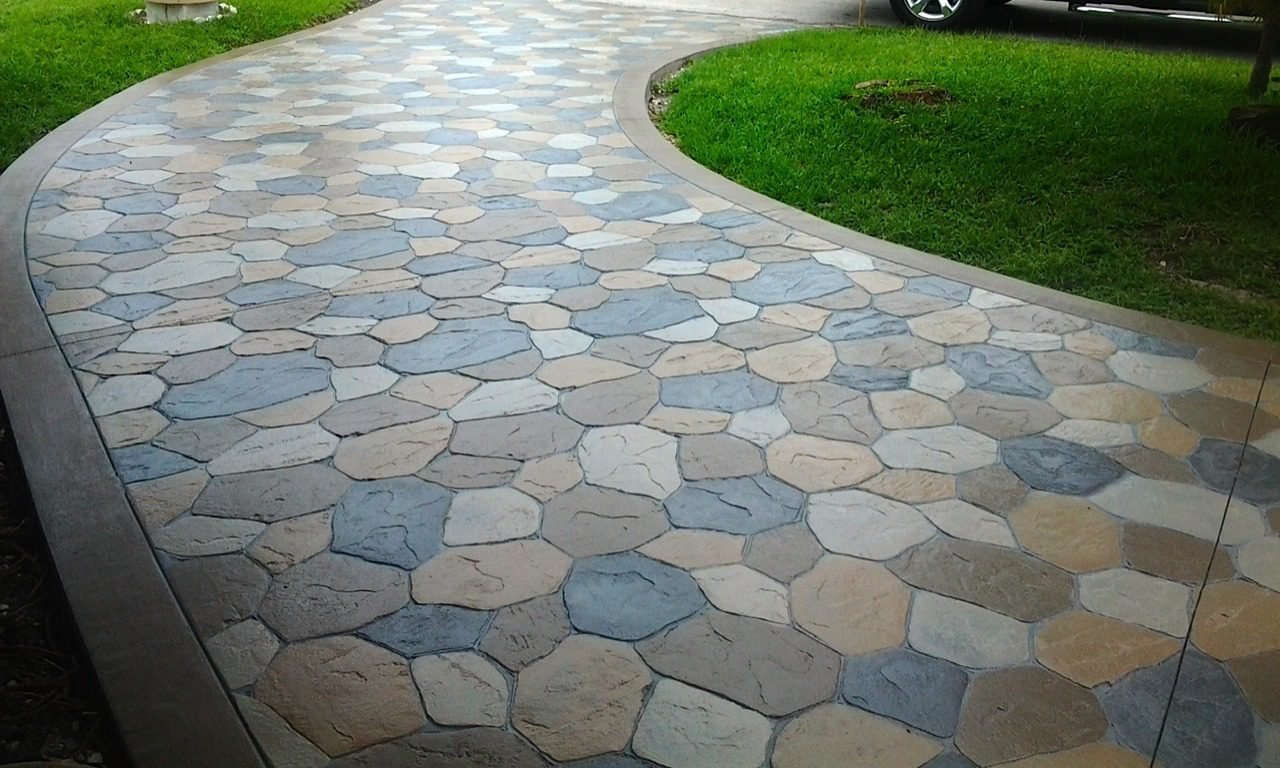
Why Philadelphia winters are hard on stamped concrete
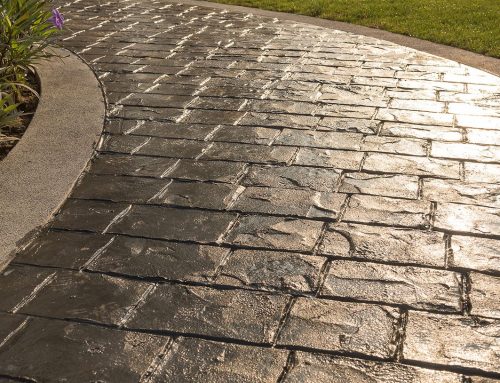
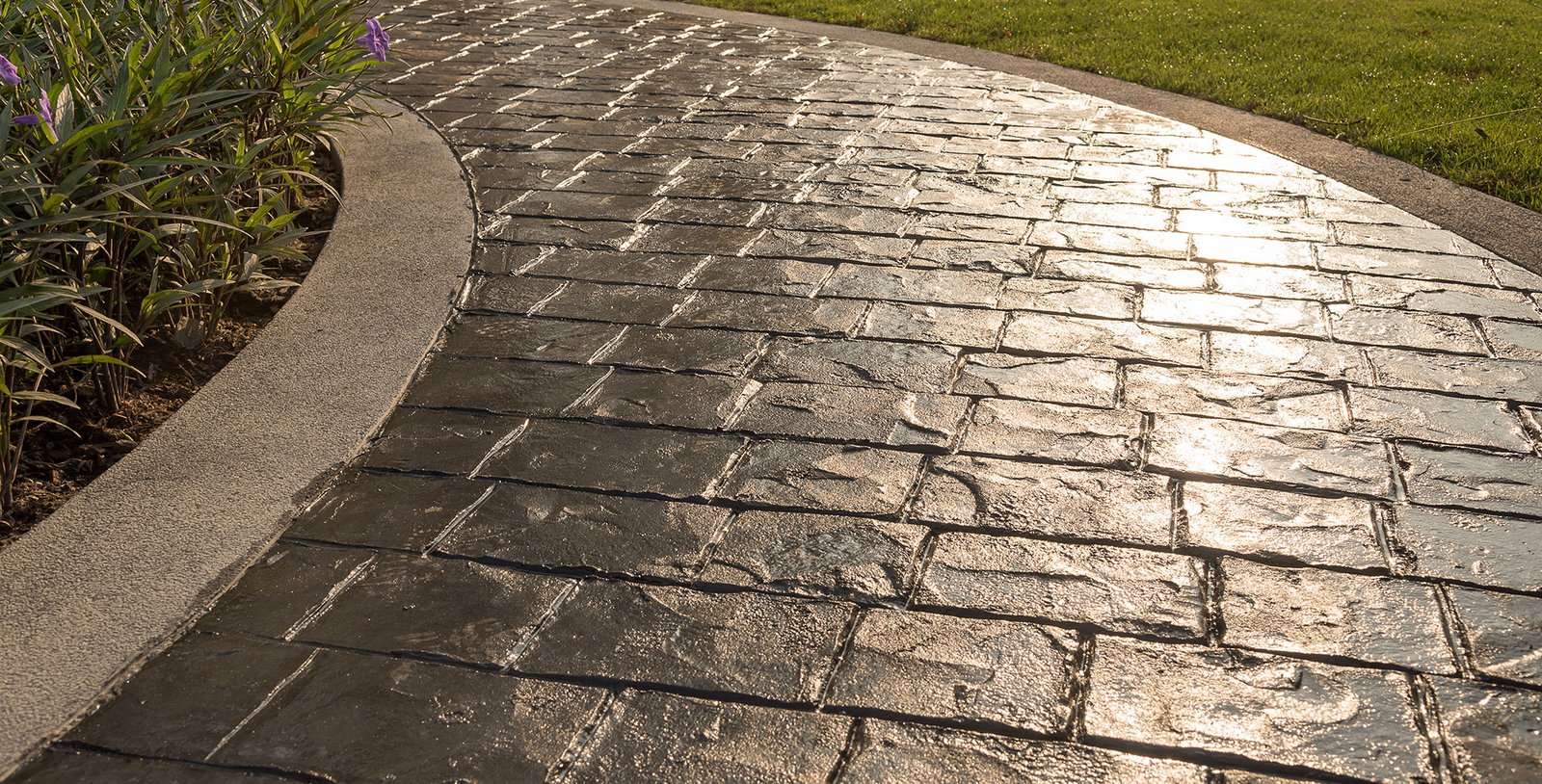
Stamped concrete gets its look from a colored, textured surface layer sealed with a protective topcoat. Two winter forces work against that surface:
- Freeze-thaw cycling: Water seeps into tiny pores, freezes, expands, and chips the surface (scaling). Philadelphia swings above and below freezing dozens of times each winter.
- Deicing salt: Rock salt (sodium chloride) accelerates surface damage and can leave the color blotchy. The damage is worst in the first winter after installation.
The good news is that all of this is preventable with the right routine.
Your winter maintenance checklist
- Seal on schedule. Reseal stamped concrete every two to three years, before winter ideally. The sealer is the sacrificial layer that keeps water and salt out of the concrete.
- Use the right deicer. Avoid rock salt and ammonium-based products. Use calcium magnesium acetate or plain sand for traction. Better yet, shovel before precipitation bonds to the surface.
- Shovel smart. Use a plastic shovel, not a metal-edged one that can gouge the surface. Clear snow promptly so meltwater doesn’t refreeze in the pores.
- Manage water. Keep downspouts and grading from dumping water onto the slab where it can pool and freeze.
- Skip the salt the first winter. New stamped concrete is most vulnerable before it fully cures. Use sand for traction during that first season.
Signs your stamped concrete needs attention
Resealing is overdue when water no longer beads on the surface, the color looks faded or chalky, or the finish has lost its sheen. Surface flaking (scaling), fine cracks, or popped spots mean it’s time to call a mason before small problems spread. Caught early, most of these are a resealing or spot-repair job, not a replacement.
Repair and resealing services
If your stamped concrete is already showing wear, our stamped concrete crews can clean, repair, recolor, and reseal it to bring back the original look. For cracked or settled slabs, our broader concrete services handle repair and replacement, and we can extend a matching stamped patio or walkway to tie your hardscape together. We work across Center City, the Main Line, and Delaware County.
What maintenance and repair costs
Resealing is a modest, recurring expense that depends on square footage and surface condition. Recoloring and repairing worn or scaled areas costs more depending on the extent of the damage. Full replacement is the high end and is rarely needed if the surface has been maintained. We don’t quote sight-unseen. Every job starts with a free on-site estimate, and you can see finished stamped work in our gallery.
A simple year-round care routine
Stamped concrete isn’t high-maintenance, but a little consistency keeps it looking new far longer. Here’s a routine that works for Philadelphia homeowners:
- Spring: Rinse off winter grit and deicer residue, inspect for any scaling or cracks, and plan a reseal if water has stopped beading.
- Summer: Sweep regularly and rinse as needed. This is the best season to reseal, since the surface needs warm, dry conditions to cure.
- Fall: Clear leaves promptly so tannins don’t stain the surface, and get any needed reseal done before the first freeze.
- Winter: Shovel with plastic, use sand or a concrete-safe deicer, and keep meltwater from pooling and refreezing.
Avoid harsh chemicals and oil stains where you can, and clean spills before they set. None of this is difficult, and the payoff is a patio or walkway that holds its color and texture for decades instead of looking weathered after a few seasons.
Why professional resealing beats a hardware-store kit
The right sealer, applied at the right thickness in the right conditions, is what makes the difference. Over-applied sealer turns cloudy or tacky; the wrong product peels. We use sealers matched to your surface and finish, and we prep the concrete properly first so the new coat bonds and lasts.
Frequently Asked Questions
How often should I reseal stamped concrete in Philadelphia?
Every two to three years, ideally before winter. The sealer is the protective layer that keeps water and deicing salt out of the concrete. You’re due for a reseal when water stops beading on the surface or the color looks faded.
What deicer is safe for stamped concrete?
Use calcium magnesium acetate or plain sand for traction. Avoid rock salt (sodium chloride) and ammonium-based products, which accelerate surface scaling and can blotch the color, especially in the first winter.
Can I use a metal shovel on stamped concrete?
Use a plastic shovel instead. A metal-edged shovel can catch on the textured surface and gouge it. Clear snow promptly so meltwater doesn’t refreeze in the pores.
My stamped concrete is fading and flaking. Can it be fixed?
Often yes. If the surface is scaling or the color has dulled, it can usually be cleaned, repaired, recolored, and resealed rather than replaced. We assess the extent of the damage during a free on-site estimate.
Get a free masonry estimate in Philadelphia
Natalini & Son Masonry has been family-owned and operated since 1974 — 50+ years and 6,000+ projects across Center City and Greater Philadelphia. Every job starts with a free, no-pressure on-site estimate.