Stamped Concrete Patterns That Suit Philadelphia Homes
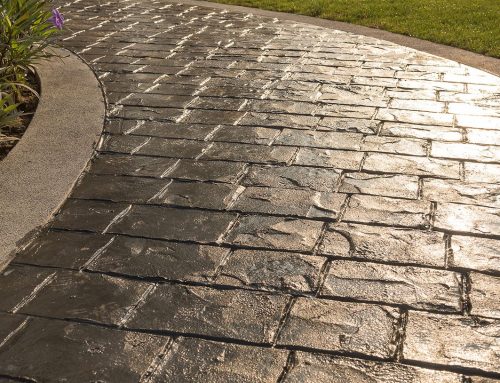
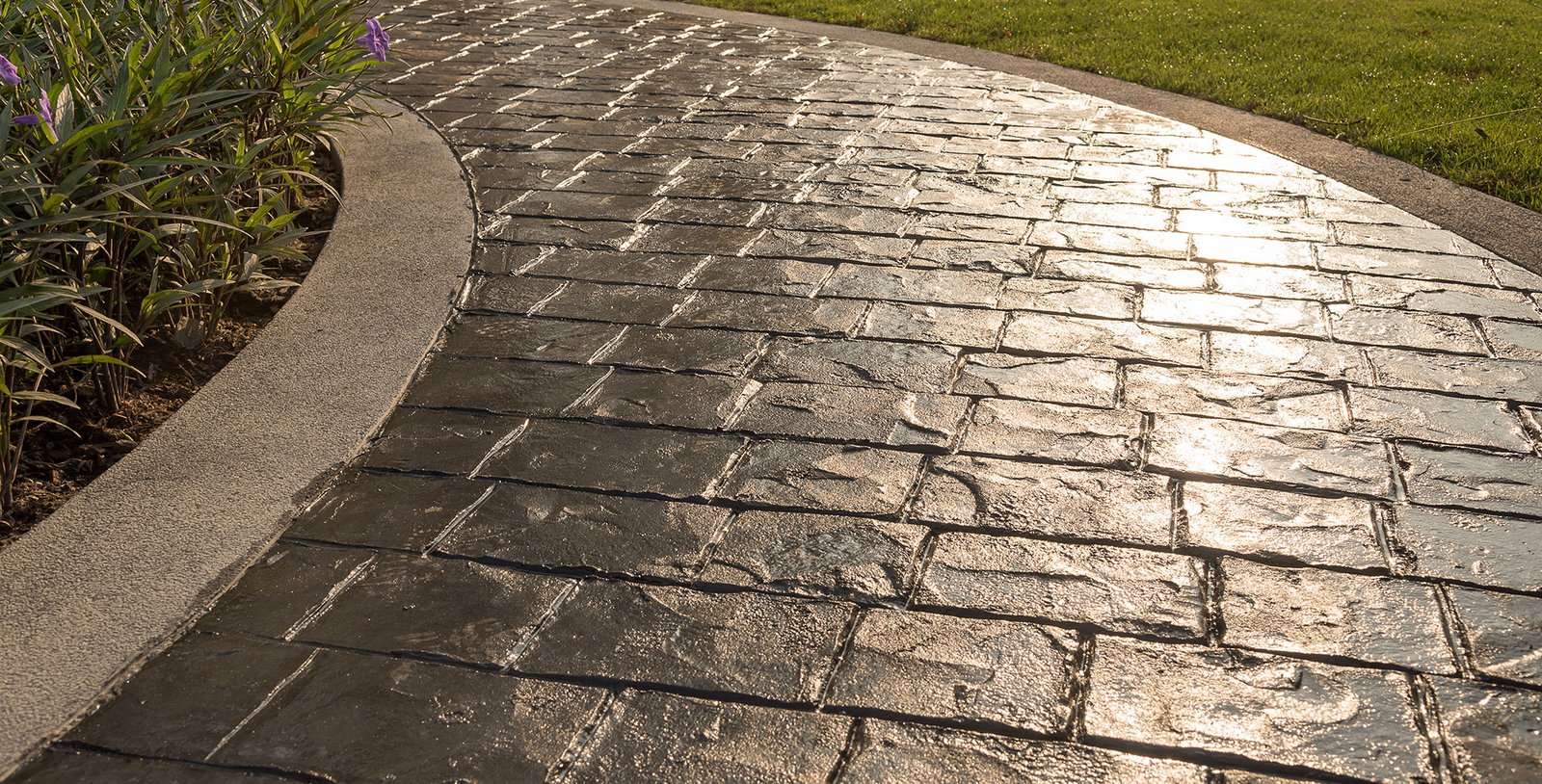
The stamped concrete patterns that work best on Philadelphia homes are the ones that echo the city’s masonry heritage: running-bond brick, old-world cobblestone, and natural slate or flagstone. These finishes give you the look of historic Center City paving at a lower cost than real stone, and when colored to match your home’s brick, they feel like they’ve always been there. The right pattern depends on your architecture, so it’s worth seeing samples in person.
Patterns That Suit Philadelphia Architecture
This city is built on brick rowhomes, stone trim, and cobblestone streets. The most flattering stamped concrete patterns borrow from that vocabulary rather than fighting it.
Running-Bond and Herringbone Brick
For a classic rowhome in Fairmount, Fishtown, or Queen Village, a brick pattern is the safe, timeless choice. Running bond reads clean and traditional; herringbone adds a bit more visual interest on patios and walkways. Colored in a warm red-brown, it ties straight into the existing masonry on most Philly blocks.
Old-World Cobblestone
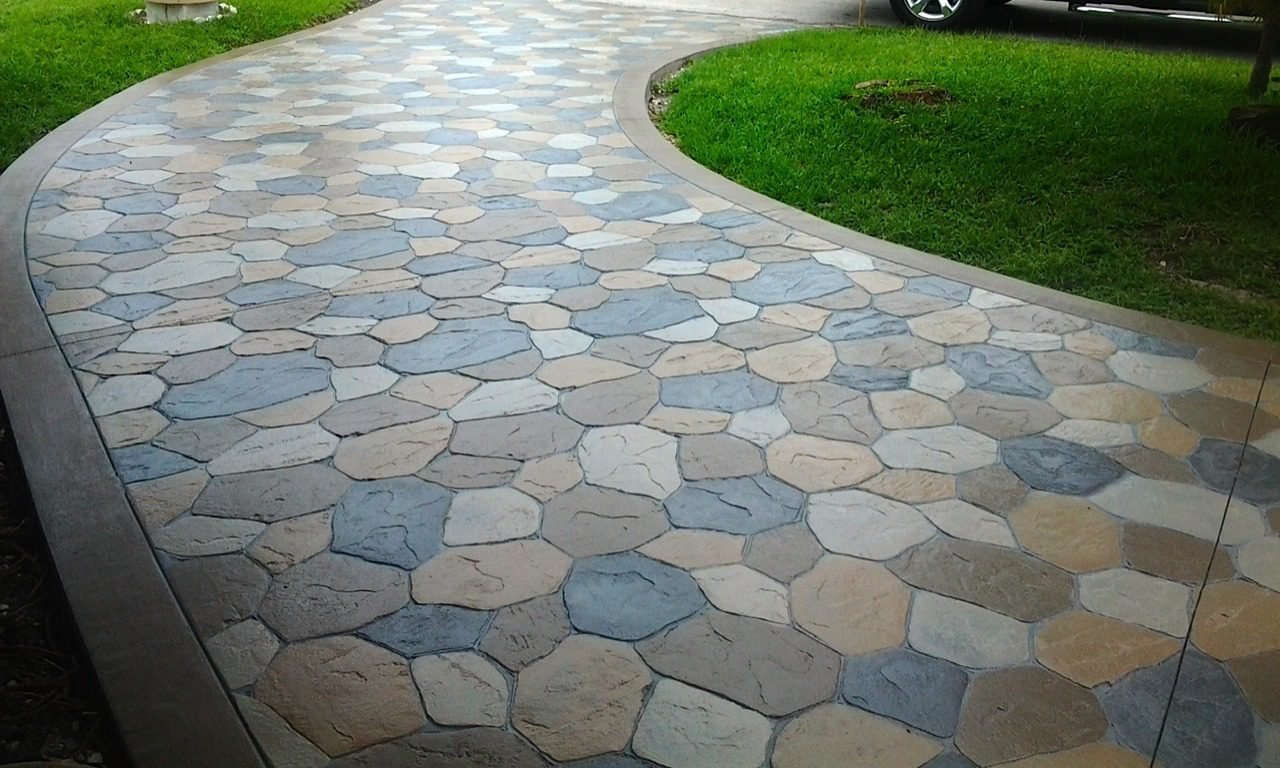
Cobblestone stamping nods directly to the historic streets of Old City and Society Hill. It’s a strong fit for a courtyard, a front walk, or a driveway apron where you want an established, European feel. The irregular joints also hide minor surface wear well over time.
Slate and Flagstone
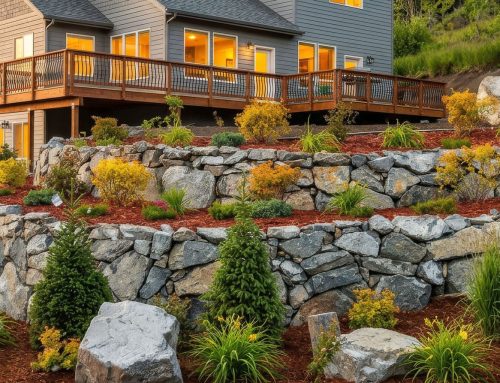
For homes with stone accents or a more contemporary look, a slate or random-flagstone stamp gives a natural, organic surface. It’s especially popular on patios and walkways in the Main Line and the leafier parts of Delaware County.
Choosing Color That Works With Philly Brick
Color makes or breaks a stamped job. Two techniques do the heavy lifting:
- Integral color is mixed into the concrete itself, so the base tone runs all the way through.
- Release color (antiquing) is applied on top to add depth, shadow, and that aged, multi-tone look real stone has.
For most Philadelphia homes, we steer clients toward warm earth tones, weathered grays, and tan-and-charcoal blends that complement red brick and bluestone rather than clashing with them. Bright, uniform colors tend to look artificial fast.
Where Stamped Concrete Makes the Most Sense
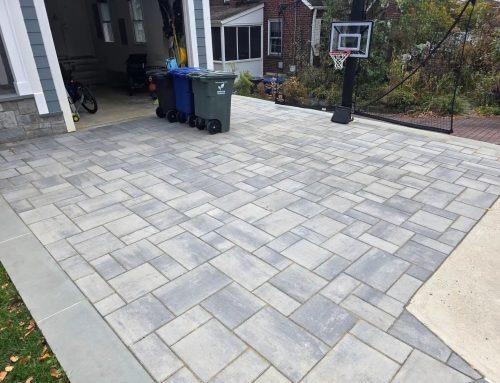
- Backyard patios where you want a finished, designed surface for a fraction of paver cost.
- Front walks and stoops that need curb appeal on a tight city footprint.
- Pool decks that benefit from a textured, slip-resistant surface.
- Driveways where you want decorative looks without individual units shifting over time.
Durability in the Philadelphia Climate
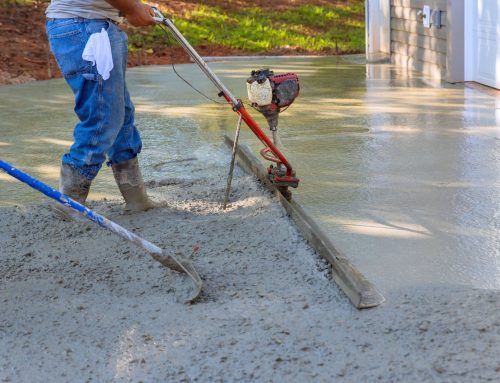
Stamped concrete is a single monolithic slab, which means no joints for weeds to invade and no individual pavers to settle unevenly. The key in our freeze-thaw climate is a proper base, control joints, and a quality sealer reapplied every two to three years. Sealer keeps de-icing salt and water from getting into the surface and protects the color. Done right, a stamped patio or walkway holds up for decades.
What It Costs
Stamped concrete typically runs about $12 to $20 per square foot in the Philadelphia area depending on pattern complexity, color technique, and site conditions. That’s well below the cost of natural stone for a very similar look. As always, every job starts with a free on-site estimate so the number reflects your actual space.
You can see our work to get a feel for patterns and colors on real Philadelphia homes, or compare it against poured concrete and true paver patios before deciding.
Get a Pattern Recommendation for Your Home
Frequently Asked Questions
What stamped concrete pattern looks best on a Philadelphia rowhome?
Running-bond or herringbone brick patterns suit most Philadelphia rowhomes because they echo the existing masonry. Cobblestone is a strong choice for historic neighborhoods like Old City and Society Hill, while slate and flagstone fit homes with stone accents.
Does stamped concrete hold up in Philadelphia winters?
Yes, when it’s installed on a proper base with control joints and sealed every two to three years. As a single slab, it has no individual units to shift, and a quality sealer protects it from de-icing salt and freeze-thaw damage.
How much does stamped concrete cost compared to pavers?
Stamped concrete typically runs about $12 to $20 per square foot in the Philadelphia area, generally less than natural stone or premium pavers for a very similar look. Pattern complexity and color technique affect the final price.
What colors work best with Philadelphia brick?
Warm earth tones, weathered grays, and tan-and-charcoal blends complement red brick and bluestone. Combining integral color with a release antiquing gives the multi-tone depth that looks most like real stone.
Get a free masonry estimate in Philadelphia
Natalini & Son Masonry has been family-owned and operated since 1974 — 50+ years and 6,000+ projects across Center City and Greater Philadelphia. Every job starts with a free, no-pressure on-site estimate.