Paver Patios in Philadelphia: Materials, Cost & Design Ideas
A paver patio in the Philadelphia area typically costs $15 to $30 per square foot installed, depending on the material and the complexity of the design. Concrete pavers sit at the affordable end, clay brick in the middle, and natural stone like bluestone at the top. The right choice comes down to your budget, your home’s style, and how much maintenance you want to take on. Every patio we build starts with a free on-site estimate.
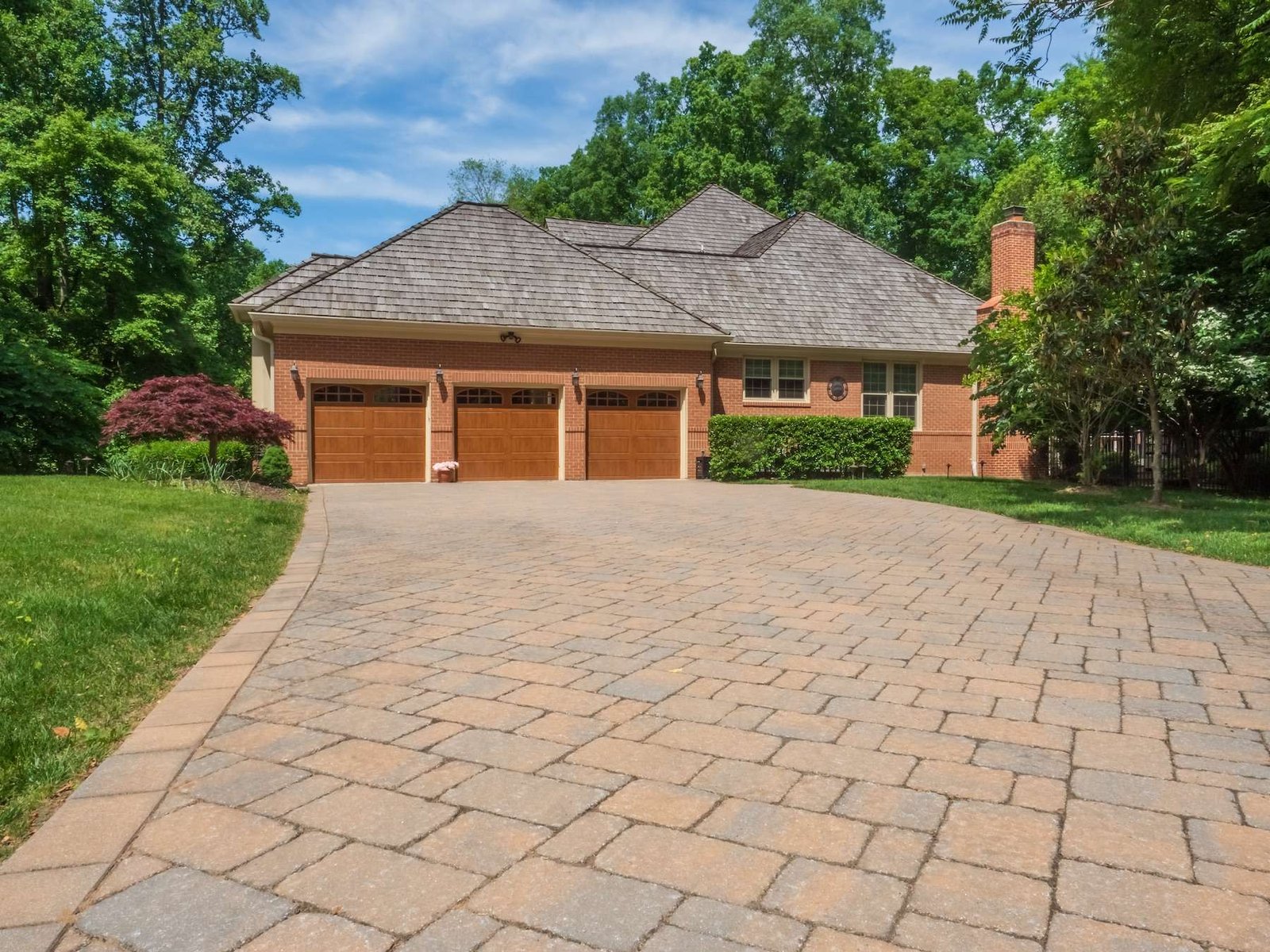
Paver Materials for Philadelphia Patios
The material you pick sets the tone for the whole project. Here’s how the common options compare for our climate and architecture.
Concrete Pavers
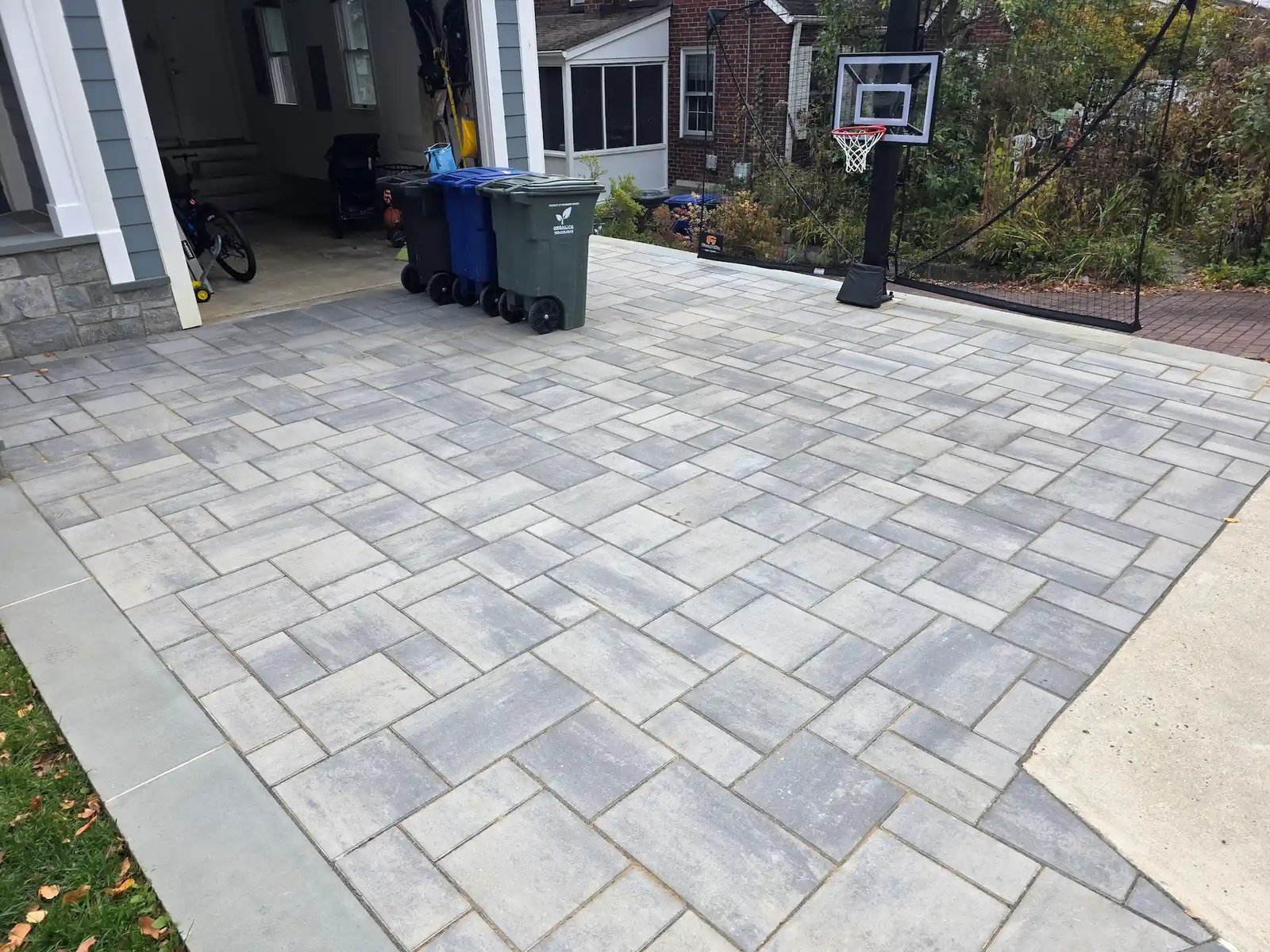
The most popular and budget-friendly choice. Modern concrete pavers come in tones and shapes that convincingly mimic stone or brick, install quickly, and handle freeze-thaw well. They’re a smart fit for most backyards across Delaware County and the city.
Clay Brick Pavers
Real clay brick is the most authentically Philadelphia option. The color is baked in, so it never fades, and a brick patio ages beautifully against a rowhome in Bella Vista, Graduate Hospital, or Fitler Square. Clay costs a bit more than concrete but rewards you with a true historic look that pairs naturally with our brickwork.
Natural Stone (Bluestone & Flagstone)
Pennsylvania bluestone is the premium choice and a regional classic. It’s gorgeous, cool underfoot in summer, and unmistakably high-end. It carries the highest price and benefits from skilled installation, but nothing else looks quite like it.
What Drives the Cost
- Material: concrete is the most affordable, stone the most expensive.
- Size and layout: simple rectangles cost less per foot than curves, multiple levels, or built-in features.
- Base preparation: a deep, compacted gravel-and-sand base is what keeps pavers from heaving in winter. It’s not where to cut corners.
- Borders and patterns: herringbone, soldier-course borders, and contrasting accents add labor.
- Extras: seat walls, fire pits, steps, and lighting all add to the total.
Design Ideas That Work in Tight City Yards
Center City lots aren’t large, so good design makes every square foot count. A few approaches we use often:
- Diagonal or herringbone layouts make a small patio feel bigger and more dynamic.
- A contrasting border defines the space and frames it cleanly against the house.
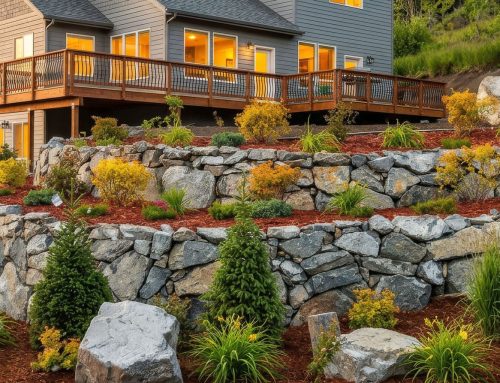
- Built-in seat walls add seating without eating up floor space, doubling as a low retaining wall where the yard slopes.
- Blending materials, like a bluestone field with a clay brick border, gives a custom, layered look.
Why the Base Matters Most in Philadelphia
The single biggest reason paver patios fail here is a weak base. Our freeze-thaw winters lift and settle anything that isn’t built on properly compacted stone. A correct installation means excavating to the right depth, laying and compacting gravel, screeding a sand setting bed, and locking the field in with edge restraints and polymeric sand in the joints. Done right, a paver patio stays flat and tight for decades, and individual pavers can be lifted and reset if a utility line ever needs access.
Pavers vs. Poured Concrete
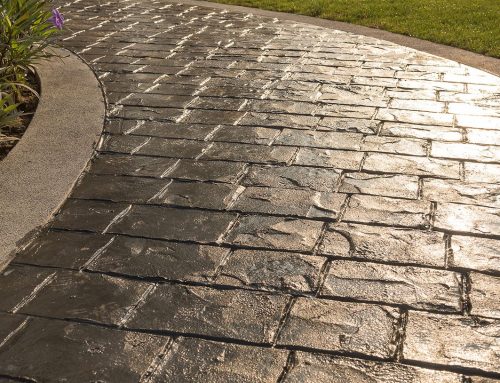
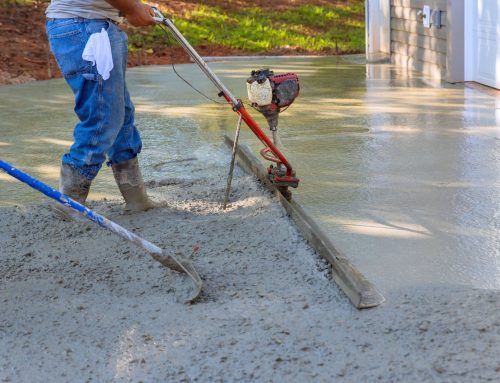
Pavers cost more upfront than a broom-finished concrete slab, but they flex with the ground instead of cracking, they’re easy to repair unit by unit, and they offer far more design range. If you want a decorative concrete look at a lower price, stamped concrete is the middle ground worth comparing.
Build It Once, Build It Right
Frequently Asked Questions
How much does a paver patio cost in Philadelphia?
Most paver patios run $15 to $30 per square foot installed. Concrete pavers are the most affordable, clay brick is mid-range, and natural stone like bluestone is the premium option. Design complexity and base prep also affect the price.
Which paver material is best for a Philadelphia home?
Concrete pavers offer the best value and versatility, clay brick gives the most authentic historic look for rowhomes, and Pennsylvania bluestone is the premium regional classic. The best choice depends on your budget and your home’s style.
Do paver patios crack in the winter?
Pavers don’t crack like a solid slab because they flex with the ground. The key is a properly excavated and compacted base with edge restraints and polymeric sand. A weak base is the main reason patios heave during freeze-thaw cycles.
Are pavers better than poured concrete for a patio?
Pavers cost more upfront but flex instead of cracking, are repairable unit by unit, and offer more design options. Poured or stamped concrete is more affordable. The right pick depends on budget and how much design flexibility you want.
Get a free masonry estimate in Philadelphia
Natalini & Son Masonry has been family-owned and operated since 1974 — 50+ years and 6,000+ projects across Center City and Greater Philadelphia. Every job starts with a free, no-pressure on-site estimate.