Pointing 101: The Craft Behind Repointing Philly Rowhomes
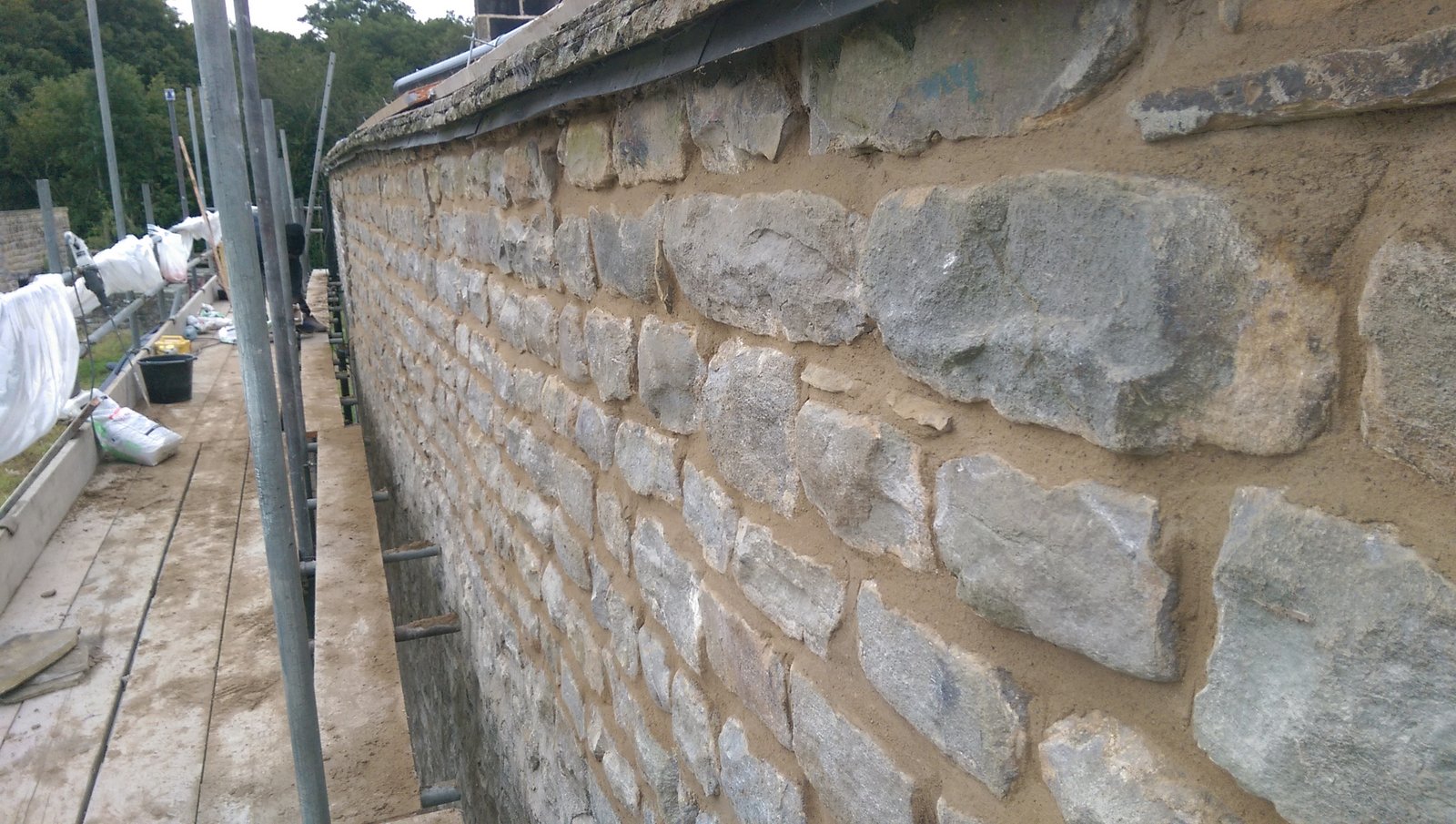
Repointing is the process of removing deteriorated mortar from between bricks and replacing it with fresh mortar to seal and strengthen the wall. For Philadelphia rowhomes, it’s the single most important masonry maintenance job, because the mortar joints fail long before the brick does. Done with the right mix and technique, repointing can add 50 to 100 years to a wall. Done with the wrong mortar, it can destroy the very brick it’s meant to protect.
Why Rowhomes Need Repointing
Mortar is the sacrificial layer in a brick wall. It’s softer than the brick on purpose, so it absorbs movement and weather stress instead of letting the brick crack. Over decades, Philadelphia’s rain, wind, and freeze-thaw cycles slowly wear the mortar back. Once the joints recede roughly a quarter inch or more, water starts getting behind the brick face, and that’s when serious damage begins.
Good repointing resets that protective layer before water can do structural harm.
The Craft, Step by Step
Repointing looks simple from the sidewalk. It isn’t. Here’s what a proper job actually involves:
- Assessment. A mason reads the wall to find failing joints, spalling brick, and the cause, usually water.
- Cutting out the old mortar. The deteriorated mortar is carefully removed to a depth of about twice the joint’s width, without chipping the brick edges. On historic rowhomes this is often done by hand to avoid damage.
- Cleaning the joints. Dust and debris are flushed out so the new mortar bonds properly.
- Matching the mortar. The new mix is matched to the original in hardness, color, and texture.
- Packing the joints. Fresh mortar is pressed in tight in layers, then tooled to the right profile.
- Finishing. The joint is struck to shed water and match the look of the surrounding wall.
The Most Important Rule: Match the Mortar
This is where most bad repointing jobs go wrong. Historic Philadelphia rowhomes were built with soft lime mortar. If you point them with hard modern Portland cement, the wall can no longer flex or breathe. Moisture gets trapped, and instead of the mortar wearing away, the brick faces start to spall and crumble, which is far more expensive to fix. An experienced mason matches the new mortar to the original so the wall keeps working the way it was built to.
Tuckpointing vs. Repointing
People use these terms interchangeably, but they’re different:
- Repointing is the structural repair, replacing failed mortar to seal and strengthen the wall.
- Tuckpointing is a decorative technique using two mortar colors to create a crisp, fine-line look.
Most rowhome owners need repointing. The goal is a sound, weather-tight wall that also looks right for the home’s era.
When to Repoint
Walk your home and look at the joints. If the mortar is cracked, sandy, hollowed out, or you can scratch it loose with a key, it’s time. Catching it early means pointing instead of rebuilding. We’ve repointed countless rowhomes across South Philly, Fishtown, and Center City, and the work holds up because the fundamentals are done right. See examples in our gallery or learn more about our full masonry services.
Frequently Asked Questions
What is repointing and why does it matter?
Repointing is removing deteriorated mortar from between bricks and packing in fresh mortar to seal and strengthen the wall. It matters because mortar fails long before brick does, and replacing it before water gets behind the brick can add 50 to 100 years to a wall.
What’s the difference between repointing and tuckpointing?
Repointing is the structural repair that replaces failed mortar. Tuckpointing is a decorative technique using two mortar colors to create fine, crisp lines. Most rowhome owners need repointing, though the finished joint can be tooled to match the home’s era.
Why can’t you use regular cement to repoint an old rowhome?
Historic rowhomes were built with soft lime mortar. Hard Portland cement traps moisture and prevents the wall from flexing, which causes the brick faces to spall and crumble. The new mortar must match the original in hardness so the wall keeps working as designed.
How do I know when my mortar needs repointing?
Check the joints. If the mortar is cracked, sandy, hollowed out, or scratches loose easily, it’s time to repoint. Catching it early means a pointing job instead of a costly rebuild.
Get a free masonry estimate in Philadelphia
Natalini & Son Masonry has been family-owned and operated since 1974 — 50+ years and 6,000+ projects across Center City and Greater Philadelphia. Every job starts with a free, no-pressure on-site estimate.