How Freeze-Thaw Cycles Damage Philadelphia Masonry
Freeze-thaw cycles damage masonry because water seeps into brick and mortar, freezes, and expands roughly 9 percent, prying the material apart from the inside. Philadelphia crosses the freezing point dozens of times each winter, so any masonry holding moisture is being stressed over and over. The result is cracked mortar, spalled brick faces, and deteriorating chimneys, usually appearing worst in late winter and early spring.
What Actually Happens Inside the Wall
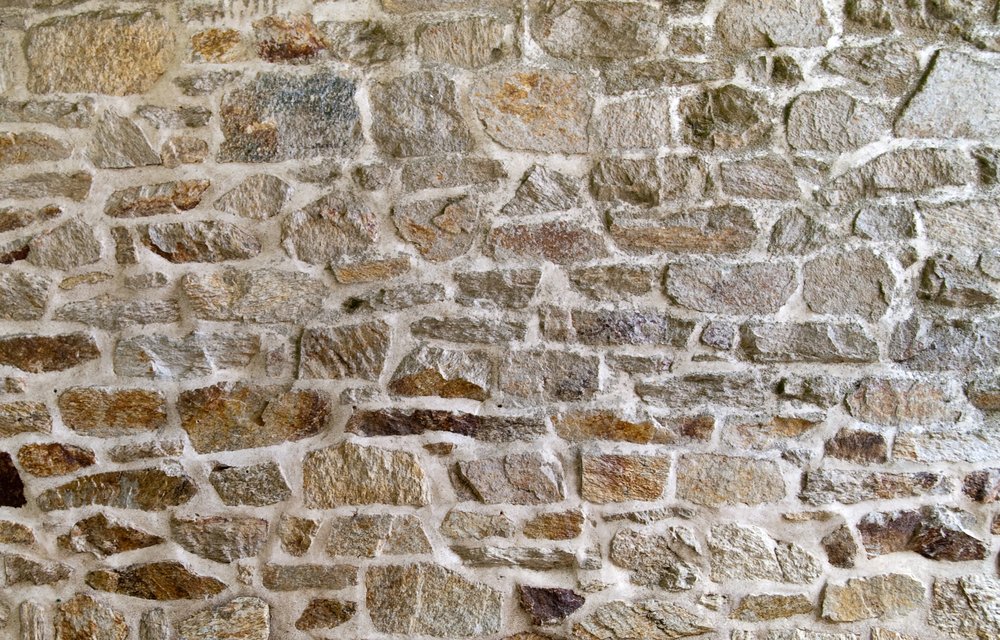
Brick and mortar are porous. They absorb small amounts of water from rain, snow, and humidity. When the temperature drops below freezing, that trapped water turns to ice and expands. When it warms, the ice melts and the material relaxes. One cycle does almost nothing. Hundreds of cycles, season after season, fatigue the masonry until it fails.
This is why a wall can look fine for years and then seem to crumble all at once. The damage was building invisibly the whole time.
The Warning Signs to Watch For
- Spalling the brick face flaking, popping, or crumbling off in layers.
- Receding mortar joints that look hollowed out or sandy.
- Step cracks running diagonally through the mortar.
- White staining (efflorescence), a sign water is moving through the wall.
- Loose or shifting brick, especially near the ground or roofline.
Why Mortar Fails First
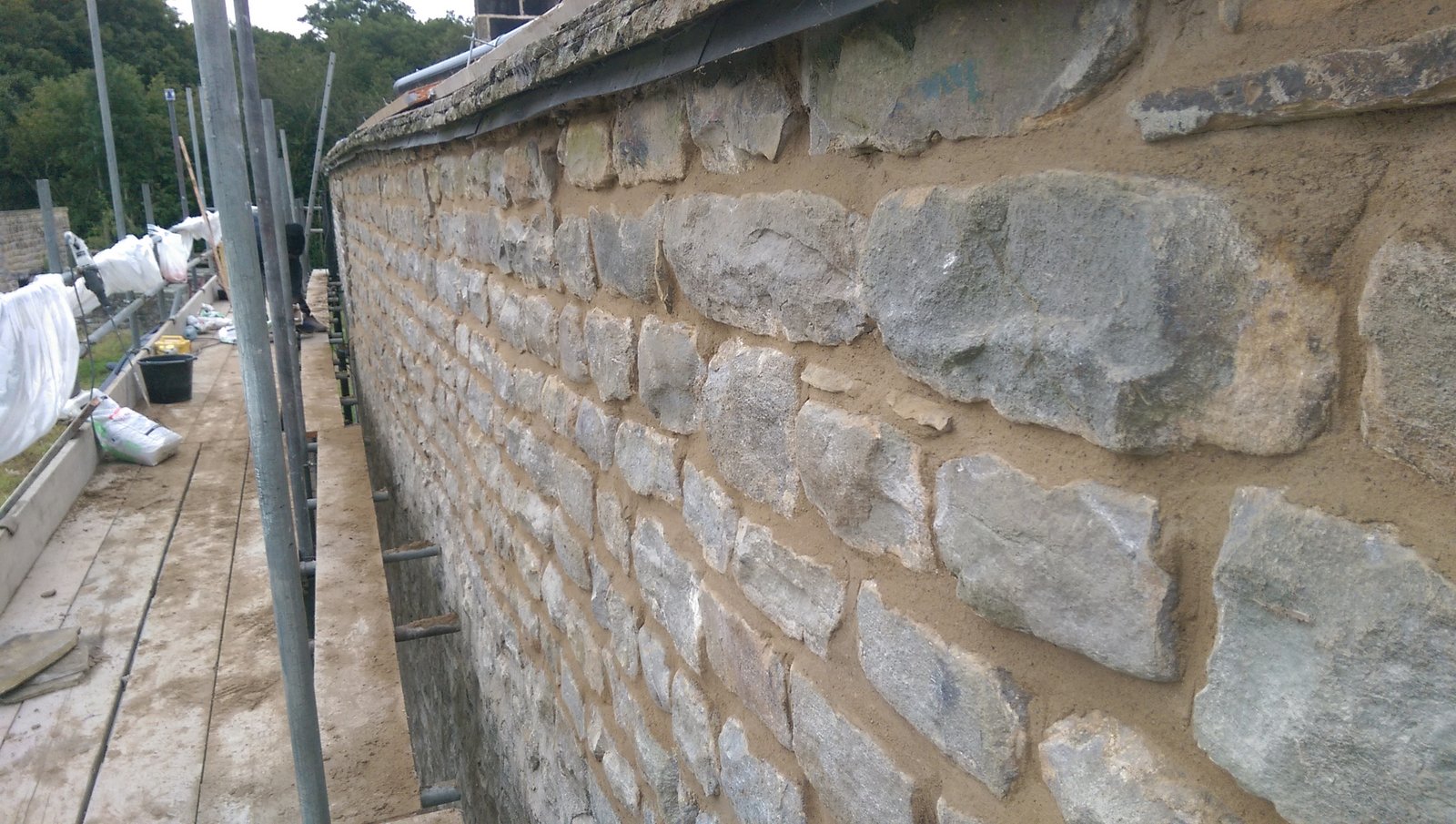
Mortar is softer than brick by design, so it takes the brunt of the stress and erodes first. That’s actually the system working as intended better to lose cheap mortar than expensive brick. But once the joints open up, they funnel even more water into the wall, which speeds up the freeze-thaw damage. The fix is repointing: cutting out the failed mortar and replacing it with a compatible mix that seals the wall again. The key is matching the mortar’s hardness to the brick. Cement that’s too hard traps water and causes the brick faces to spall instead.
Chimneys Take the Worst of It
If any part of your home is going to fail from freeze-thaw, it’s usually the chimney. Chimneys are exposed on all sides, sit at the highest, wettest point of the roof, and rarely get inspected. Water enters through a cracked crown or open joints, freezes, and tears the masonry apart. By the time bricks are visibly loose up top, the damage is often well advanced and the chimney can become a safety hazard.
How to Protect Your Masonry
The goal is simple: keep water out before winter does its work. That means:
- Repointing failing mortar joints while they’re still shallow.
- Sealing and crowning chimneys so water can’t enter the top.
- Fixing gutters and downspouts so runoff doesn’t soak the wall.
- Catching spalling brick early, before whole sections need rebuilding.
The best time to address freeze-thaw damage in Greater Philadelphia is fall, before the cold sets in, or early spring, once you can see what the winter exposed. We’ve repaired this kind of weather damage on homes across Center City and the surrounding neighborhoods for more than 50 years; examples are in our gallery.
Frequently Asked Questions
What are freeze-thaw cycles and why do they damage brick?
A freeze-thaw cycle is when water absorbed into masonry freezes and expands about 9 percent, then thaws. Repeated dozens of times each Philadelphia winter, this expansion gradually cracks mortar and spalls brick from the inside out.
How can I tell if my masonry has freeze-thaw damage?
Look for flaking or popping brick faces (spalling), hollowed-out or sandy mortar joints, diagonal step cracks, white efflorescence staining, and loose brick near the ground or roofline. These often show up worst in late winter and spring.
When is the best time to repair freeze-thaw damage?
Fall is ideal, so repairs are done before freezing weather returns. Early spring also works well because the winter’s damage is visible and you can address it before the next cycle. We offer free on-site estimates year-round.
Why are chimneys most vulnerable to freeze-thaw?
Chimneys are exposed on all sides at the highest, wettest point of the roof and rarely get inspected. Water enters through cracked crowns and open joints, freezes, and tears the masonry apart, making chimneys the first part of a home to fail.
Get a free masonry estimate in Philadelphia
Natalini & Son Masonry has been family-owned and operated since 1974 — 50+ years and 6,000+ projects across Center City and Greater Philadelphia. Every job starts with a free, no-pressure on-site estimate.