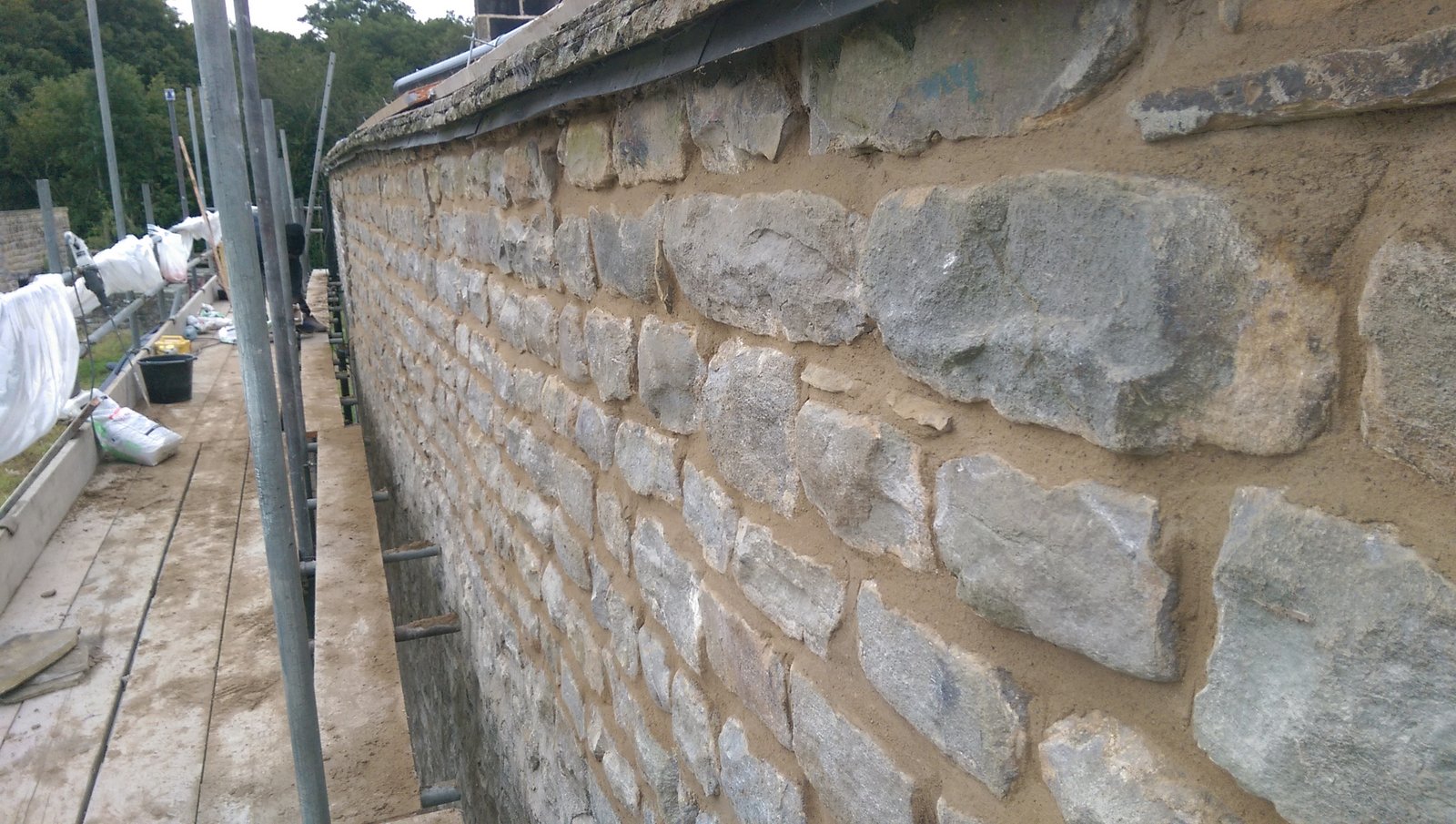
Brownstone & Brick Repointing in Society Hill
Repointing brownstone and brick in Society Hill means grinding out failed mortar joints and repacking them with mortar carefully matched to the original, while repairing the soft brownstone trim that defines so many of the neighborhood’s 18th- and 19th-century homes. Because Society Hill is one of Philadelphia’s most historically significant districts, the work demands matched materials, the right mortar strength, and respect for original detail. Done right, repointing makes a facade watertight and structurally sound for decades while preserving its historic character.
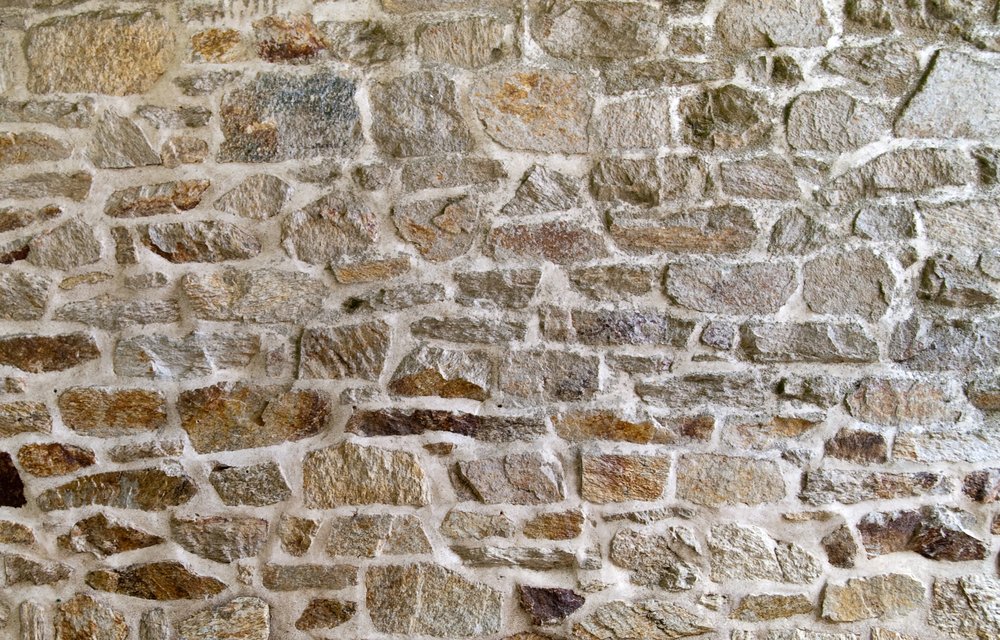
Why Society Hill masonry needs specialized care
Society Hill’s homes are among the oldest in Philadelphia, built with soft hand-made brick, lime mortar, and brownstone trim. Brownstone is a soft sandstone that’s beautiful but vulnerable; it absorbs water and can delaminate, spall, and crumble when joints fail or the wrong repairs are made. These facades were never meant to be sealed up tight with hard modern cement. They were built to breathe, absorb a little moisture, and release it. Repointing has to honor that.
Common problems on Society Hill facades
- Eroded and washed-out mortar joints after centuries of weather
- Brownstone spalling, sugaring, and delamination, often worst near failed joints
- Past repairs in hard gray Portland cement that crack the soft brick and stone
- Water infiltration, efflorescence, and damp interior walls
- Failing cornices, sills, and lintels
How we repoint brownstone and brick
- Test and match the mortar. Before any grinding, we analyze the existing mortar’s strength, color, and sand so the new joints match. On Society Hill that almost always means a lime-rich mortar that stays softer than the brick and brownstone.
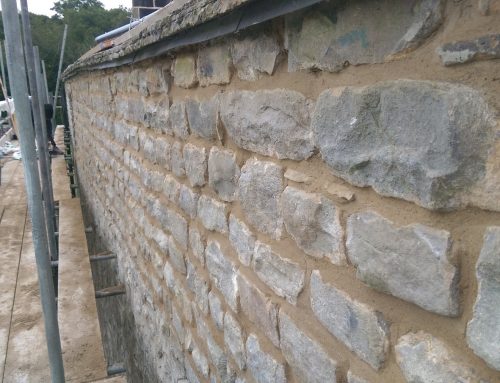
- Carefully rake the joints. Failed mortar is removed to a sound depth without chipping the soft surrounding masonry. This is slow, hand-controlled work.
- Repoint and tool. Joints are repacked and tooled to the original profile so the facade reads correctly. See our repointing services.
- Repair the brownstone and brick. Spalled brownstone is patched or replaced, and damaged brick is swapped for matched units as part of our brickwork.
The mortar question is everything
The single biggest mistake on a Society Hill facade is repointing soft brick and brownstone with hard Portland cement. Because cement is harder than the surrounding masonry, it forces stress and moisture into the soft units, which then spall and crumble. The correct mortar is softer than the masonry so the joint, not the stone, takes the wear. That principle guides every joint we repoint in the neighborhood. If you’re researching this for your specific block, see our page on repointing in Society Hill.
What repointing costs
Cost depends on the square footage of joints, wall height and access, how much brownstone and brick repair is needed, and the level of historic detail. Spot repointing is modest; a full facade with significant brownstone restoration is a larger project. Either way it’s far cheaper than letting water destroy the wall. We never quote sight-unseen. Every job starts with a free on-site estimate, and you can see finished work in our gallery. Learn more about our family and craft on our about page.
How brownstone fails, and how to slow it down
Brownstone deteriorates in a few characteristic ways, and recognizing them early makes repair far easier:
- Sugaring: The surface breaks down into a sandy, granular texture you can brush off with your hand. It’s an early sign of moisture damage.
- Delamination: Thin sheets or scales of stone separate and flake away, often because the stone was set with its natural bedding planes facing out.
- Spalling: Chunks pop off, usually near failed joints or where hard cement repairs have trapped moisture.
You slow all of this down the same way: keep water out. Sound joints, intact flashing at sills and cornices, and good drainage do more to preserve brownstone than any patch. Where the stone has already failed, we patch with a matched repair mortar or replace the unit, then make sure the surrounding joints and details are shedding water so the repair lasts.
Why local experience matters in Society Hill
Society Hill has its own mix of building ages, materials, and past repair campaigns, some helpful, some harmful. Masons who work the neighborhood regularly know which repairs from past decades tend to fail and how to correct them without creating new problems. That familiarity, built over 50 years and thousands of Philadelphia projects, is what keeps a historic facade standing for another generation.
Frequently Asked Questions
What is repointing and why does my Society Hill home need it?
Repointing is removing failed mortar joints and repacking them with sound, matched mortar. On centuries-old Society Hill homes, eroded joints let water in and weaken the wall. Repointing makes the facade watertight and stable while preserving its historic look.
Can crumbling brownstone be repaired, or does it need replacing?
Often it can be repaired. Spalled or sugaring brownstone can frequently be patched and consolidated; badly deteriorated sections are replaced with matched stone. We assess which approach fits during an on-site evaluation.
Why can’t I use regular cement mortar on my old facade?
Hard Portland cement is stronger than soft historic brick and brownstone, so it forces stress and moisture into the masonry and causes spalling. The correct mortar is softer than the surrounding material so the joint takes the wear, not the stone.
How long will repointing last?
Properly matched and installed repointing on a historic facade can last several decades. Lifespan depends on exposure, drainage, and how well water is kept off the wall at the roofline and trim.
Get a free masonry estimate in Philadelphia
Natalini & Son Masonry has been family-owned and operated since 1974 — 50+ years and 6,000+ projects across Center City and Greater Philadelphia. Every job starts with a free, no-pressure on-site estimate.