Retaining Walls & Garden Masonry in Graduate Hospital
A retaining wall in Graduate Hospital holds back soil and creates usable, level space in a tight city yard — but it only works long-term if it’s built with proper footings, drainage, and the right material for the load. Done right, it turns a sloped or eroding back lot into a flat patio or planted garden. Done wrong, it leans, cracks, and bulges within a few years. The difference is what’s behind the wall, not just the face you see.
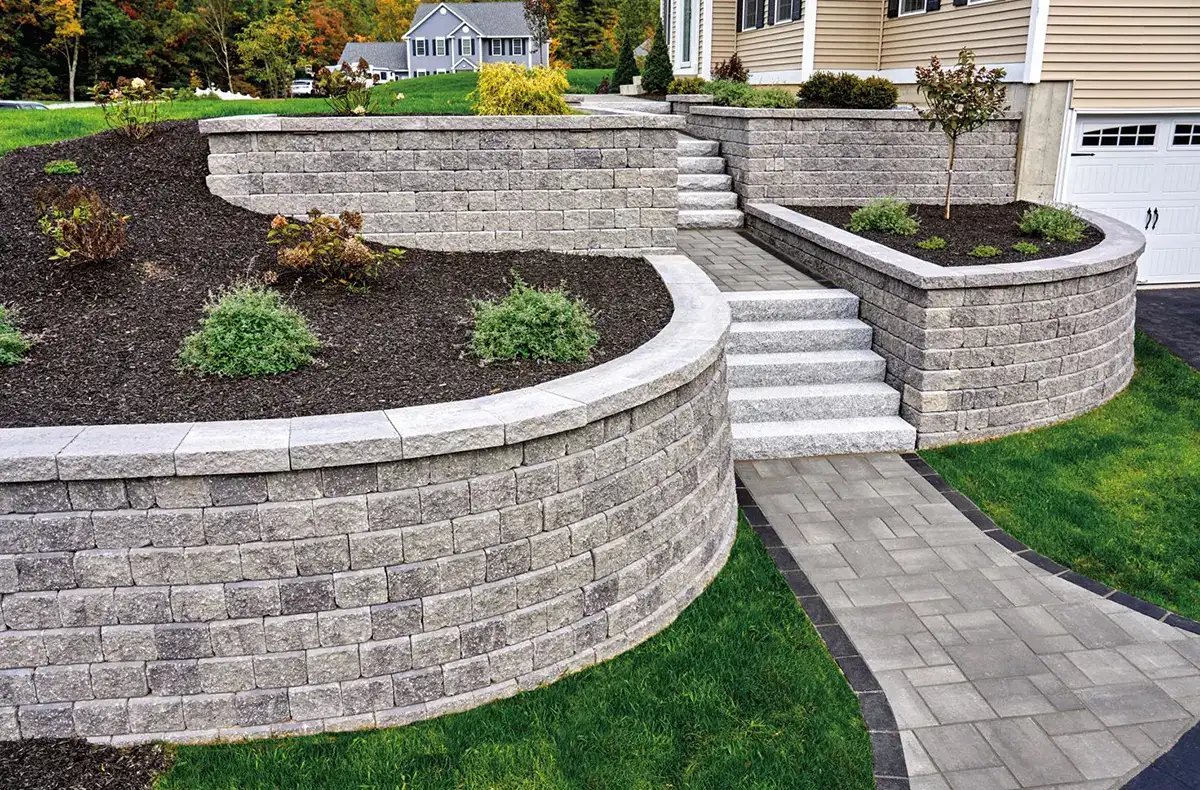
Why Graduate Hospital Yards Need Retaining Walls
The “G-Ho” neighborhood south of South Street is dense rowhome territory, and many homes have small rear yards with grade changes, raised garden beds, or shared property lines that need a structural edge. A well-built retaining wall lets you:
- Level a sloped yard for a patio, deck, or play space
- Stop soil erosion against the house or a neighbor’s lot
- Build raised planting beds and garden terraces
- Define property lines cleanly between attached homes
What Makes a Retaining Wall Last
Most failed walls fail for the same reasons — no footing, no drainage, or the wrong material for the soil load. A proper retaining wall build includes:
- A solid footing or base below the frost line so the wall doesn’t heave in winter.
- Drainage behind the wall — gravel backfill and weep holes or pipe so water doesn’t build up hydrostatic pressure and shove the wall over.
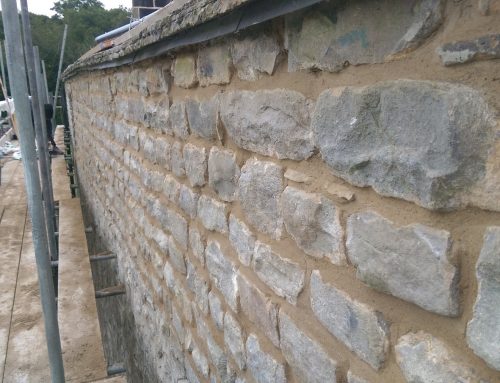
- The right material — block, natural stone, or brick sized to the height and load.
- Proper batter or reinforcement so the wall leans slightly into the soil it holds.
Skip the drainage and a wall is just waiting to lean. Water pressure behind masonry is the single most common cause of failure in Philadelphia yards.
Garden Masonry Beyond the Wall
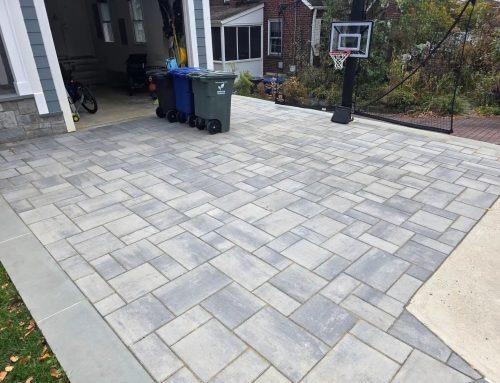
Retaining walls usually come with companion work — a patio or walkway on the newly leveled ground, brick raised beds, stone borders, or steps connecting different levels. We build the whole back-yard package so the wall, paving, and planting all tie together instead of looking pieced. If you want a finished sitting area, a poured or stamped concrete surface pairs cleanly with a stone or block wall.
Signs Your Existing Wall Is Failing
- Leaning, bulging, or tilting away from the soil
- Cracks running through the wall or stepping along joints
- Soil or mulch washing out from behind or below it
- Standing water or saturated ground at the base
- Blocks or stones shifting out of line
What It Costs and How We Quote
Retaining wall pricing depends on height, length, material, how much excavation and drainage the site needs, and access to a tight G-Ho back yard. A low garden border is modest; a tall structural wall holding real load is a bigger build. We never quote sight unseen — every job starts with a free on-site estimate, and we’re licensed and insured.
Philadelphia Masonry Since 1974
Natalini & Son has built Philadelphia walls and yards for 50-plus years — third generation, every crew led by a family member, 6,000-plus projects across Center City and the surrounding neighborhoods. See our work in the gallery, read more about us, or view our Graduate Hospital retaining walls page.
Frequently Asked Questions
Why do retaining walls lean or fail?
Almost always from missing drainage or footings. Water builds up behind the wall and pushes it over, or the base heaves in winter freeze-thaw. A proper wall has gravel backfill, weep holes or pipe, and a footing below the frost line.
What material is best for a city retaining wall?
It depends on height and load. Engineered block, natural stone, and brick all work — taller, load-bearing walls need stronger construction and reinforcement. We recommend the right material during the free estimate.
Can you build a patio on top of the leveled yard?
Yes. We often pair a retaining wall with a patio, walkway, raised beds, or steps so the whole back yard is finished together and the elements tie in cleanly.
Do I need a permit for a retaining wall in Philadelphia?
Taller walls and those holding significant load may require permits. As a licensed and insured contractor, we’ll advise on what your specific wall needs during the estimate.
Get a free masonry estimate in Philadelphia
Natalini & Son Masonry has been family-owned and operated since 1974 — 50+ years and 6,000+ projects across Center City and Greater Philadelphia. Every job starts with a free, no-pressure on-site estimate.