Fitler Square Masonry: Caring for Federal-Era Brick
Caring for Federal-era brick in Fitler Square comes down to one rule: use materials as soft as the originals. The brick on these early-1800s Philadelphia homes was hand-fired and is softer than anything made today, and the original mortar was lime-based and flexible. Repairs that ignore that — hard cement repointing, harsh cleaning, sandblasting — do more damage than the weather ever would. The right approach preserves the brick, seals out water, and keeps the historic facade looking like itself.
What Makes Fitler Square Brick Different
Fitler Square, tucked along the Schuylkill near Rittenhouse, holds some of the best-preserved Federal and early Victorian rowhomes in Center City. Their masonry was built with:
- Soft, hand-molded brick that breathes and moves with the seasons
- Lime mortar designed to be the wall’s “sacrificial” element — it wears before the brick does
- Thin, fine joints on the front facade, often with a different mortar than the side and rear walls
Understand those three things and you understand why modern shortcuts fail on these homes.
The Cardinal Rule: Soft Materials on Soft Brick
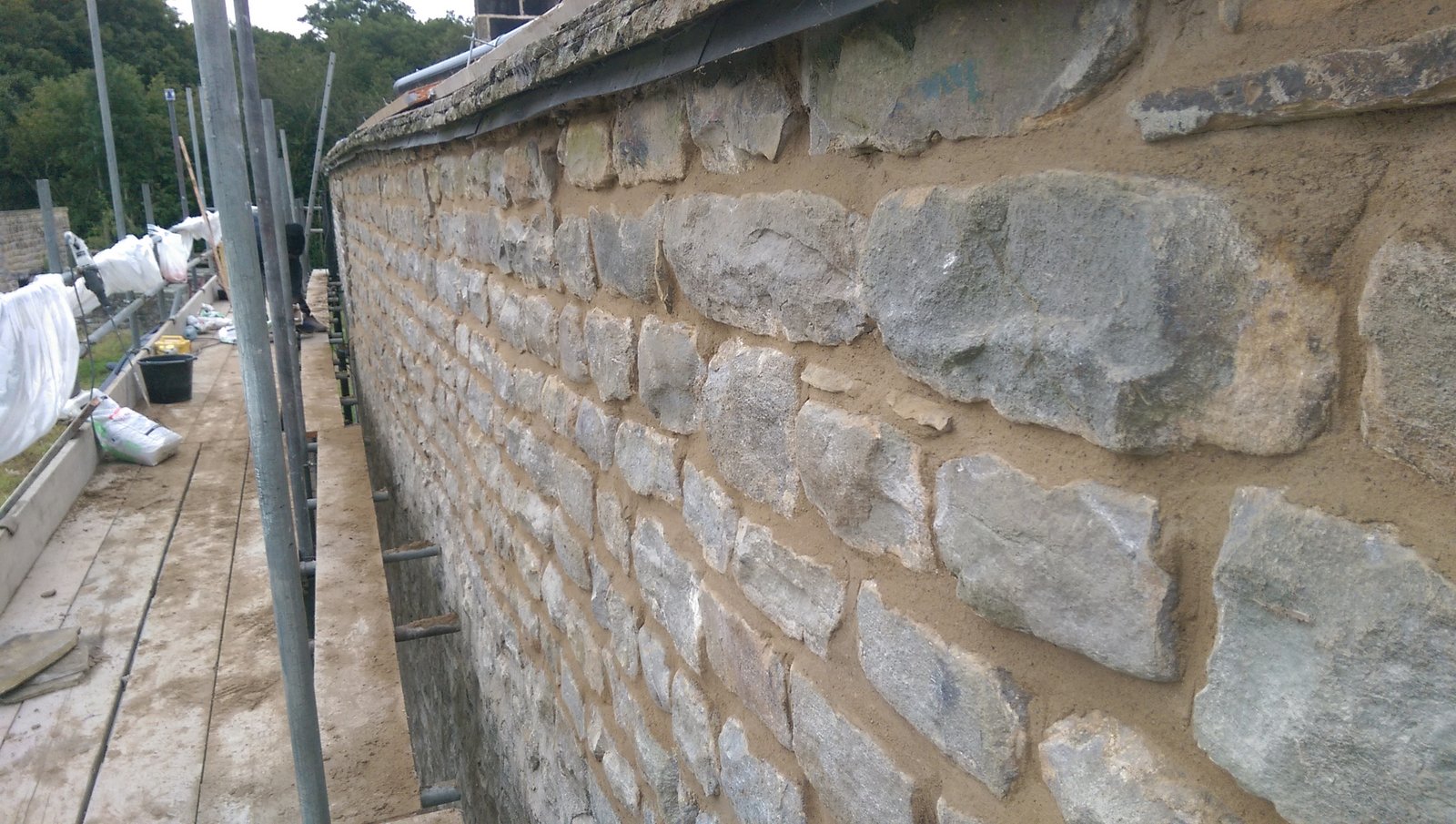
When mortar is harder than the brick, the brick becomes the weak point. Water gets in, freezes, and the brick face spalls off — permanent, irreversible damage on a 200-year-old facade. Proper repointing uses a lime-based mortar matched to the original in strength, color, and joint profile. We rake old joints by hand rather than grinding, because a grinder can chew the delicate edges of Federal brick in seconds.
Cleaning Federal Brick Without Wrecking It
Sandblasting and high-pressure washing strip the hard, weather-resistant outer skin off historic brick and leave the soft core exposed to rot. On Fitler Square homes we clean gently — low pressure, appropriate methods, and patience. The goal is to remove grime, not history.
Common Repairs on Fitler Square Rowhomes
- Repointing failed joints with matched lime mortar
- Replacing spalled brick using reclaimed or closely matched units
- Rebuilding deteriorated lintels and sills around windows
- Addressing the cornice and parapet, where water often enters first
- Repairing front stoops and stone steps
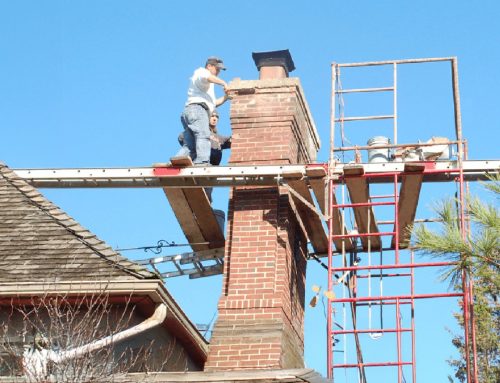
If we spot a failing chimney or loose brickwork up top during the walkthrough, we’ll point it out so it can be handled in the same trip.
What Restoration Costs and How We Quote
Historic brick work is priced by scope — how much joint has failed, how much brick needs replacing, wall height, and staging access on a tight Fitler Square block. A single facade section is modest; a full restoration is a bigger undertaking. We never quote sight unseen. Every job starts with a free on-site estimate, and we’re licensed and insured. You’ll get a straight assessment of what the brick actually needs — not a push to do more than necessary.
Third-Generation Philadelphia Masons
Natalini & Son has cared for Philadelphia brick since 1974. We’re third generation, every crew is led by a Natalini family member, and we’ve completed more than 6,000 projects across Center City and the surrounding neighborhoods. See our work in the gallery, read more about us, or view our Fitler Square repointing page.
Frequently Asked Questions
Why can’t I use regular cement mortar on Federal-era brick?
Modern Portland cement is harder than soft historic brick. When the mortar is harder than the brick, water gets trapped and freezes, and the brick face spalls off instead of the mortar wearing away. Soft lime mortar protects the brick the way the original did.
Is sandblasting safe for cleaning old Philadelphia brick?
No. Sandblasting and high-pressure washing strip the hard outer skin off historic brick and expose the soft core to faster decay. Federal-era brick should be cleaned gently with low pressure and appropriate methods.
How long does proper lime repointing last?
Repointing done with correctly matched lime mortar can last many decades — often 50 years or more — because it flexes with the building and lets moisture escape instead of trapping it.
Do you match the original mortar color and joint style?
Yes. We match the mortar’s strength, color, and joint profile so repairs disappear into the original facade. On a preserved Fitler Square home, that match is essential.
Get a free masonry estimate in Philadelphia
Natalini & Son Masonry has been family-owned and operated since 1974 — 50+ years and 6,000+ projects across Center City and Greater Philadelphia. Every job starts with a free, no-pressure on-site estimate.