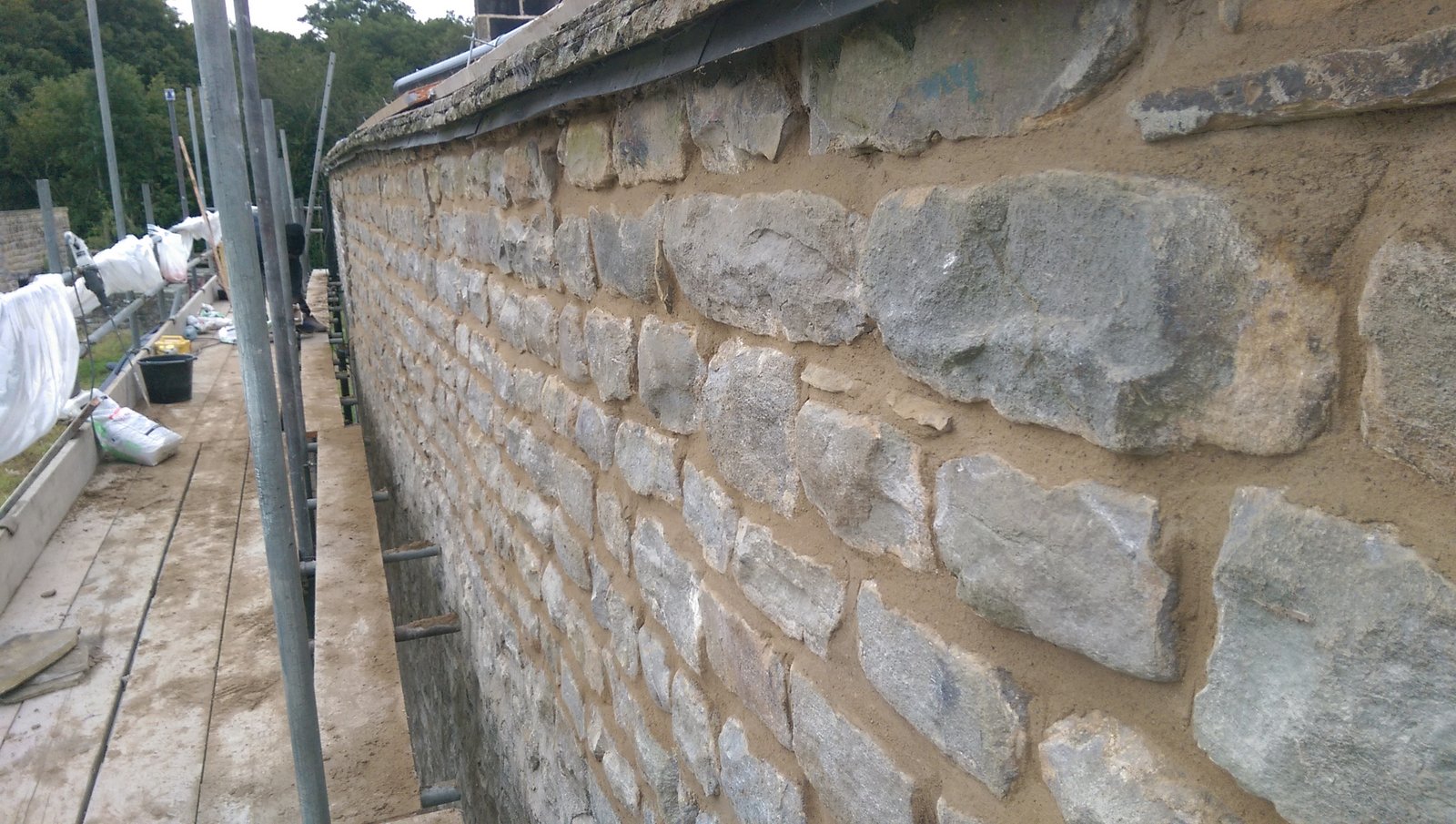
Spring Garden’s Brownstones: Stone Pointing Done Right
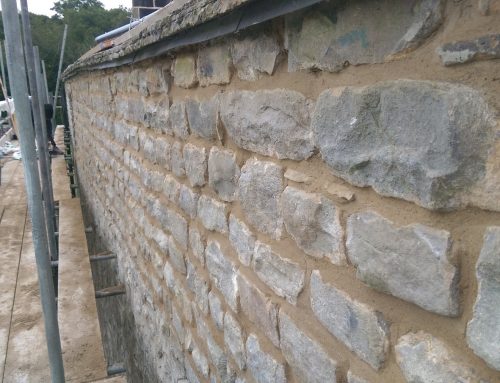
Stone pointing on a Spring Garden brownstone means raking out the old, failed mortar between stone units and replacing it with a properly matched mix — soft enough to protect the stone, tooled to match the original joints. Brownstone is a soft sandstone that flakes and delaminates when water gets behind it, so good pointing isn’t cosmetic. It’s the main defense keeping a 150-year-old facade from spalling apart.
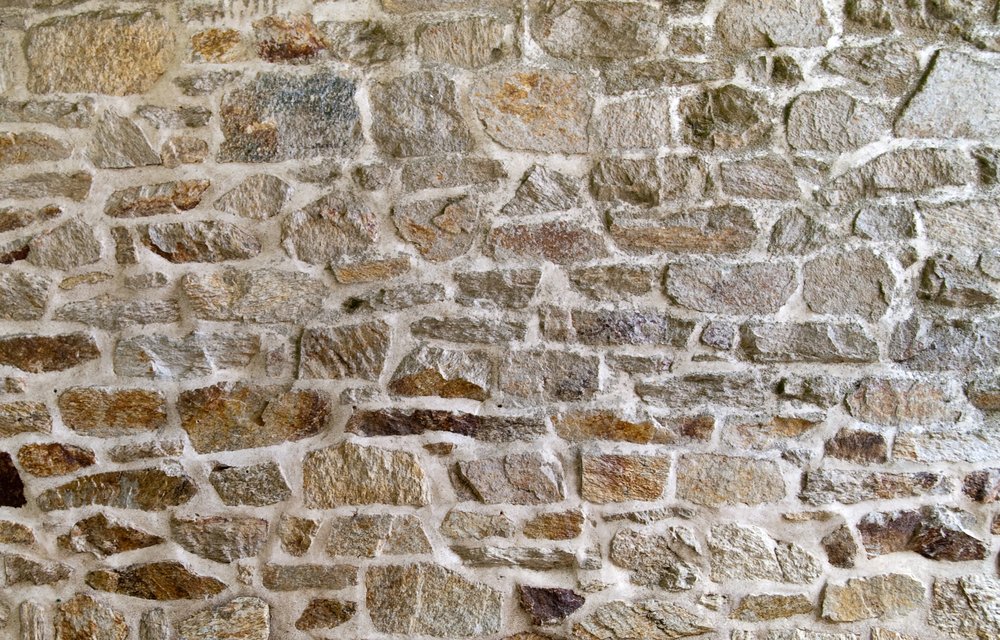
Why Spring Garden’s Brownstones Need Careful Pointing
Spring Garden’s wide streets are lined with grand 19th-century brownstone and brick-with-brownstone-trim rowhomes. Brownstone was prized for how easily it carved, but that same softness is its weakness. When mortar joints open up:
- Water seeps behind the stone face
- Freeze-thaw cycles push the outer layer off in sheets — called delamination or spalling
- Decorative carving, sills, and cornices erode fastest because they catch the most water
Once brownstone starts shedding layers, the damage accelerates. Sound mortar joints are what slow it down.
How Stone Pointing Is Done Right
- Inspect the stone and joints. We check which joints have failed, how deep, and whether the stone face itself needs consolidation or patching.
- Rake old mortar carefully. By hand where the stone is fragile, to avoid widening damage.
- Match the mortar. Color, texture, and a softness appropriate to brownstone — never a hard cement mix that would crack the stone.
- Pack and tool the joints. Filled fully so no voids hold water, then struck to match the original profile.
- Cure slowly. Proper lime-based mortar needs time and moisture to set correctly.
This is the same disciplined repointing process we use across Center City, adapted to the demands of soft stone.
Pointing vs. Stone Repair
Pointing renews the mortar. If the brownstone face itself is already spalling, that stone may need patching with a color-matched repair mortar or, in bad cases, replacement. We’ll tell you which you’re dealing with — and we won’t sell you a full stone replacement when sound pointing will do.
Signs Your Brownstone Needs Pointing Now
- Open gaps or crumbling mortar between stones
- Stone faces flaking, peeling, or shedding thin layers
- Sandy grit collecting on sills and the sidewalk below
- Dark damp staining or efflorescence on the facade
- Eroded detail on carved trim, cornices, or window surrounds
What It Costs and How We Estimate
Stone pointing is priced by how much joint has failed, the height and access of the facade, and whether stone repair is needed alongside it. A modest section differs greatly from a full brownstone front with staging. We never quote blind — every job starts with a free on-site estimate, and we’re licensed and insured. If your chimney or surrounding brickwork also needs attention, we’ll flag it so it’s handled in one trip up.
50 Years of Philadelphia Masonry
Natalini & Son has worked Philadelphia stone and brick since 1974 — third generation, every crew led by a family member, 6,000-plus projects across the city’s historic neighborhoods. See our work in the gallery, read more about us, or visit our Spring Garden repointing page.
Frequently Asked Questions
Why is brownstone so prone to spalling?
Brownstone is a soft sandstone made of layered sediment. When water gets behind the face and freezes, it pushes the outer layers off in sheets. Sound, matched mortar joints keep water out and slow that delamination.
Is pointing the same as repairing the stone?
No. Pointing renews the mortar between stones. If the stone face itself is already flaking, that stone may need patching or replacement. We assess both and tell you exactly which your facade needs.
What mortar do you use on brownstone?
A soft, matched mortar — usually lime-based — that’s gentler than the stone. A hard cement mix would be stronger than brownstone and cause the stone to crack and spall instead of the mortar wearing away.
How do I know if my Spring Garden facade needs pointing?
Look for crumbling or missing mortar, flaking stone, sandy grit on the sills and sidewalk, and damp staining. If you see those, schedule a free on-site estimate before freeze-thaw season accelerates the damage.
Get a free masonry estimate in Philadelphia
Natalini & Son Masonry has been family-owned and operated since 1974 — 50+ years and 6,000+ projects across Center City and Greater Philadelphia. Every job starts with a free, no-pressure on-site estimate.