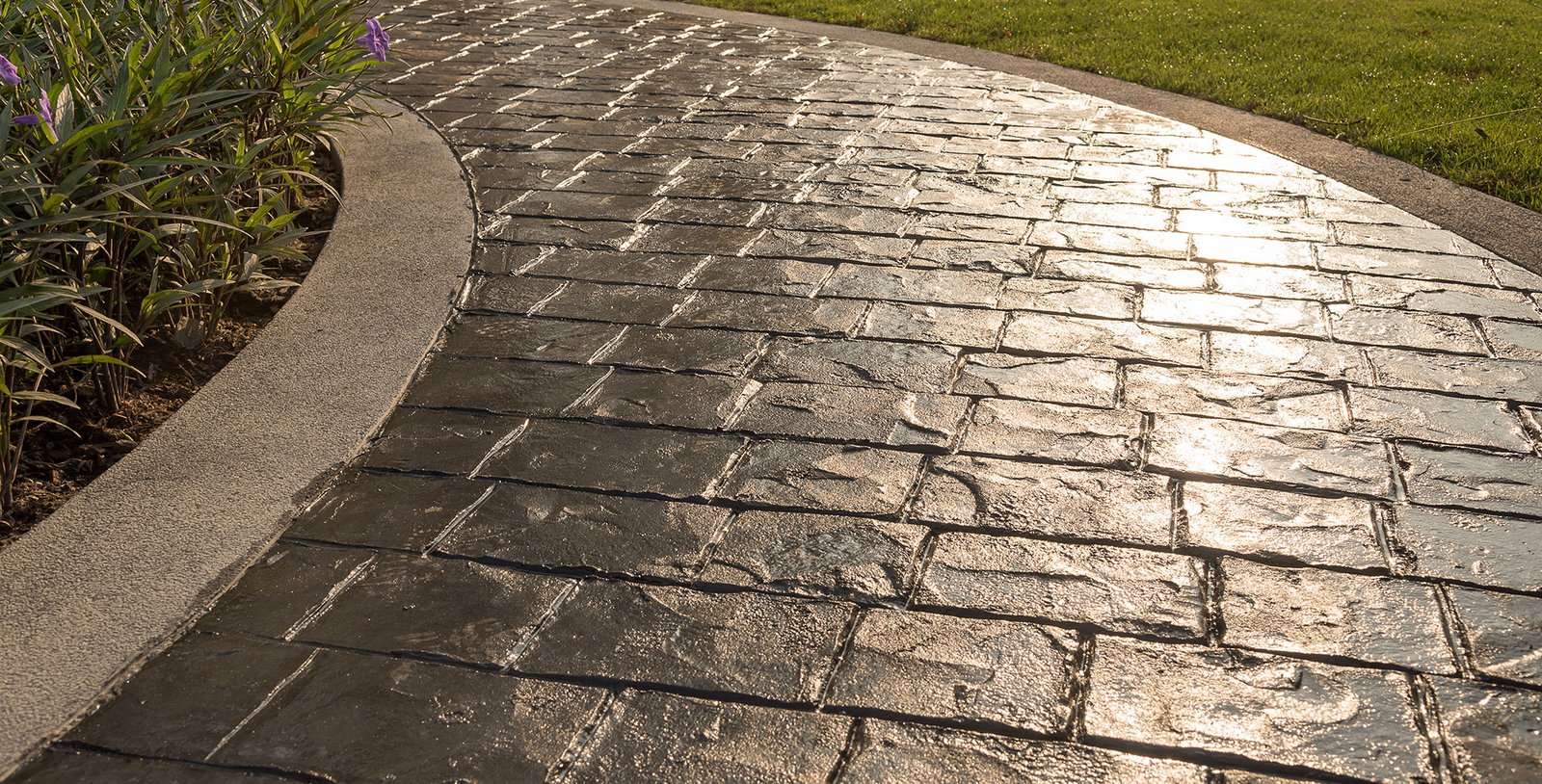
Stamped Concrete Ideas for Philadelphia Backyards
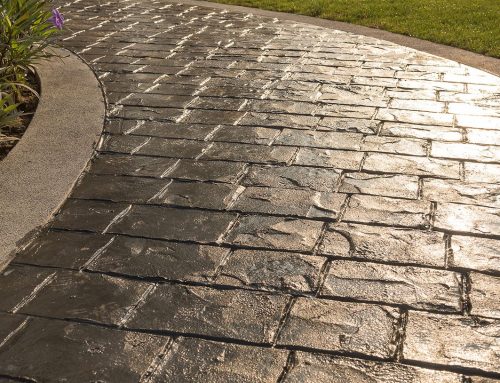
Stamped concrete is one of the best ways to get the look of natural stone, brick, or slate in a Philadelphia backyard without the cost or upkeep of laying individual pavers. It’s a single poured slab that’s imprinted and colored to mimic premium materials, which makes it ideal for patios, walkways, and pool surrounds. The key in our climate is proper installation and sealing so it stands up to the freeze-thaw winters that punish outdoor surfaces here.
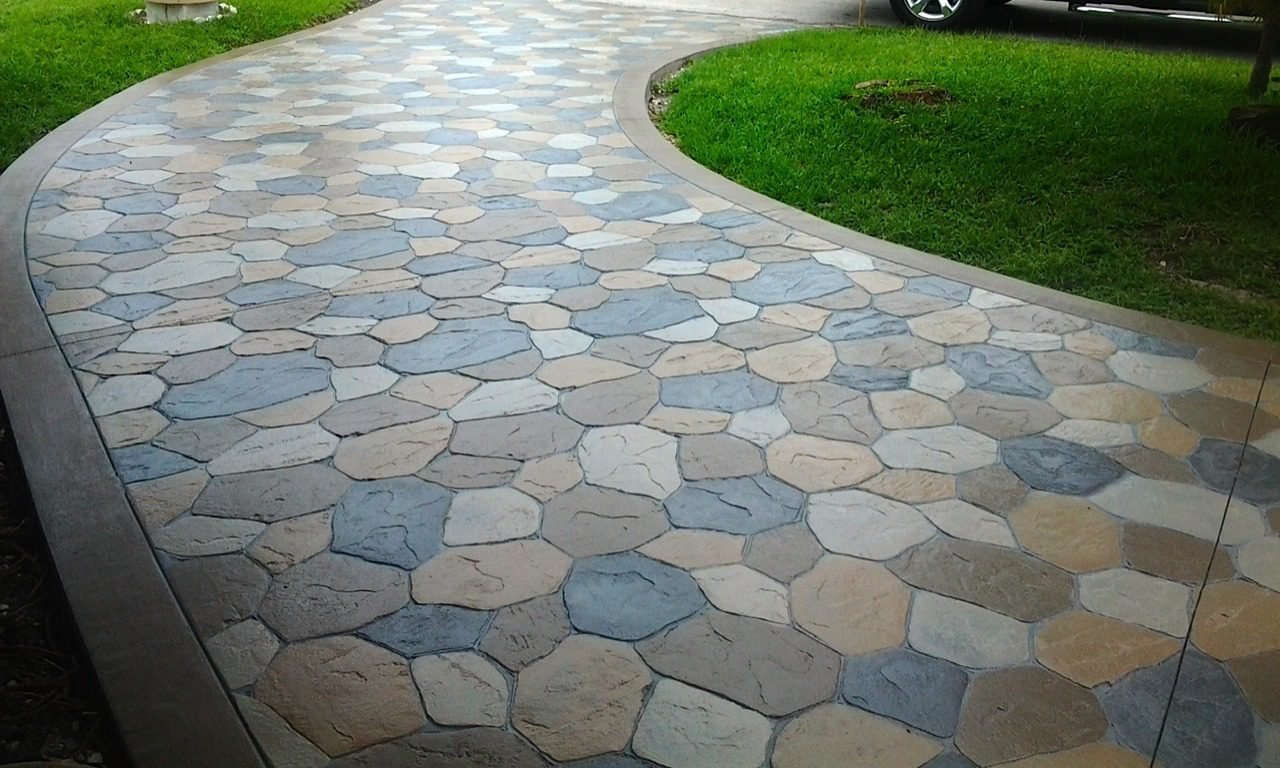
What Stamped Concrete Can Look Like
Modern stamped concrete is far more convincing than the gray slabs of decades past. With the right pattern and color work, most people can’t tell it from the real thing until they’re standing on it. Popular looks for Philadelphia backyards include:
- Old-world cobblestone a natural fit next to historic brick rowhomes and stone homes.
- Random flagstone or slate organic, irregular shapes for a relaxed patio.
- Ashlar slate clean, rectangular tiles for a more modern backyard.
- Running-bond brick to echo the brick the rest of the city is built from.
- Wood plank the warm look of a wood deck without the rot and maintenance.
Color That Fits the Neighborhood
Color is what sells the illusion. Stamped concrete uses a base color worked into the mix and an accent (release) color that settles into the grooves for depth and variation. For Philadelphia homes, earthy tones, weathered grays, warm tans, and brick reds tend to look most natural against the surrounding masonry. We can tint a patio to complement your home’s existing brick or stone so the new work looks like it belongs.
Design Ideas for Real Backyards
- A defined patio with a border. Run a contrasting brick-pattern border around a flagstone field to frame the space.
- Continuous flow. Carry one pattern from the back door through the patio and out to a fire-pit area so the whole yard reads as one space.
- Pool surrounds. A slate or stone stamp gives a high-end look with a slip-resistant finish underfoot.
- Walkway and patio pairing. Match a stamped walkway to the patio for a cohesive look from front to back.
Why Installation Matters in Philadelphia
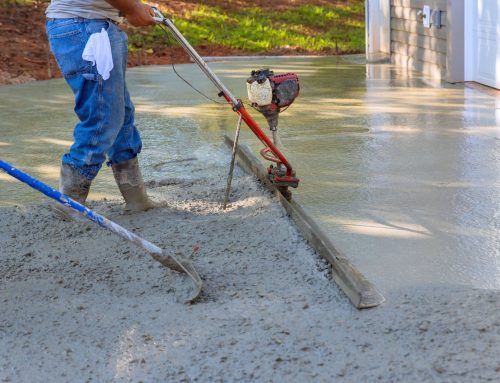
Stamped concrete is only as good as the slab under it. Our freeze-thaw winters are hard on outdoor concrete, so the work that matters happens before the stamping:
- Proper base prep and compaction so the slab doesn’t shift or crack.
- Correct concrete mix and thickness rated for our climate.
- Control joints placed to manage the inevitable expansion and contraction.
- Quality sealing to keep water out and protect the color, reapplied every couple of years.
Done right, a stamped patio shrugs off Philadelphia winters. Done cheaply, it cracks and fades fast. If you’d prefer a poured surface without the pattern, standard concrete work is an option too.
Stamped Concrete vs. Pavers
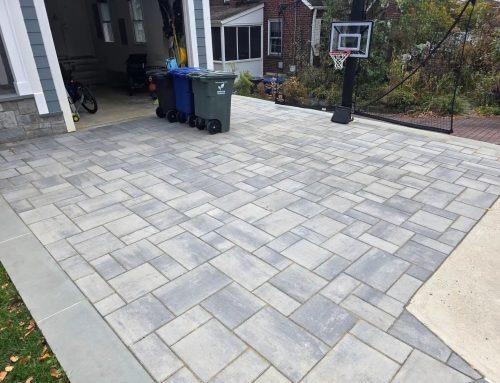
Both are good choices. Stamped concrete is typically more affordable for large areas, installs faster, and has no joints for weeds to grow through. Pavers can be individually replaced and offer more texture. Many backyards use both, stamped for the main patio, pavers for accents. Cost varies with size, pattern complexity, and site prep, and every job starts with a free on-site estimate. You can browse finished outdoor projects in our gallery.
Frequently Asked Questions
Does stamped concrete hold up in Philadelphia winters?
Yes, when it’s installed correctly. The freeze-thaw climate demands proper base prep, the right concrete mix and thickness, well-placed control joints, and quality sealing reapplied every couple of years. Done right, it shrugs off the cold; done cheaply, it cracks and fades.
Is stamped concrete cheaper than pavers?
Usually, yes, especially for larger areas. Stamped concrete installs faster as a single slab and has no joints for weeds. Pavers cost more but can be individually replaced. Final pricing depends on size, pattern complexity, and site prep, so every job starts with a free on-site estimate.
What patterns look best with Philadelphia homes?
Cobblestone, random flagstone or slate, and running-bond brick all complement the city’s historic brick and stone architecture. Earthy colors, weathered grays, warm tans, and brick reds tend to blend most naturally with surrounding masonry.
How long does stamped concrete last?
With proper installation and resealing every two to three years, stamped concrete can last decades. Sealing is the key maintenance task, since it protects the color and keeps water out so freeze-thaw cycles can’t damage the slab.
Get a free masonry estimate in Philadelphia
Natalini & Son Masonry has been family-owned and operated since 1974 — 50+ years and 6,000+ projects across Center City and Greater Philadelphia. Every job starts with a free, no-pressure on-site estimate.